culture
Medellín's Summer Arts Scene Reflects a City Still Remaking Itself
July's calendar of exhibitions, performances and street festivals shows how far the city has come-and what it's still working through.
3 min read
Updated 3 h ago
culture
July's calendar of exhibitions, performances and street festivals shows how far the city has come-and what it's still working through.
3 min read
Updated 3 h ago
Medellín's cultural calendar for July is unusually packed this year, with the Feria de las Flores extending into early summer programming and three major gallery openings scheduled in Parque Berrío. But the real story isn't the volume of events-it's what they reveal about a city that spent decades defined by violence and is now wrestling with how to tell its own history.
The timing matters. Europe is buckling under extreme heat. Russia faces fuel shortages and military strain. Iran is convulsing with political transition. Against that global backdrop, Medellín's cultural institutions are pushing ahead with shows that directly engage the city's own fractured past. There's risk in that choice. Galleries selling tickets to exhibits about displacement and armed conflict can feel uncomfortable. But curators here seem intent on refusing to either sanitize the narrative or surrender to it.
The shift has been gradual but measurable. Ten years ago, Medellín's cultural scene catered heavily to visitors seeking thrills-graffiti tours in Comuna 13, nightlife in Parque Bolívar, the curated nostalgia of the Pueblo Paisa. That framing still exists, but it's been overtaken by something more complicated.
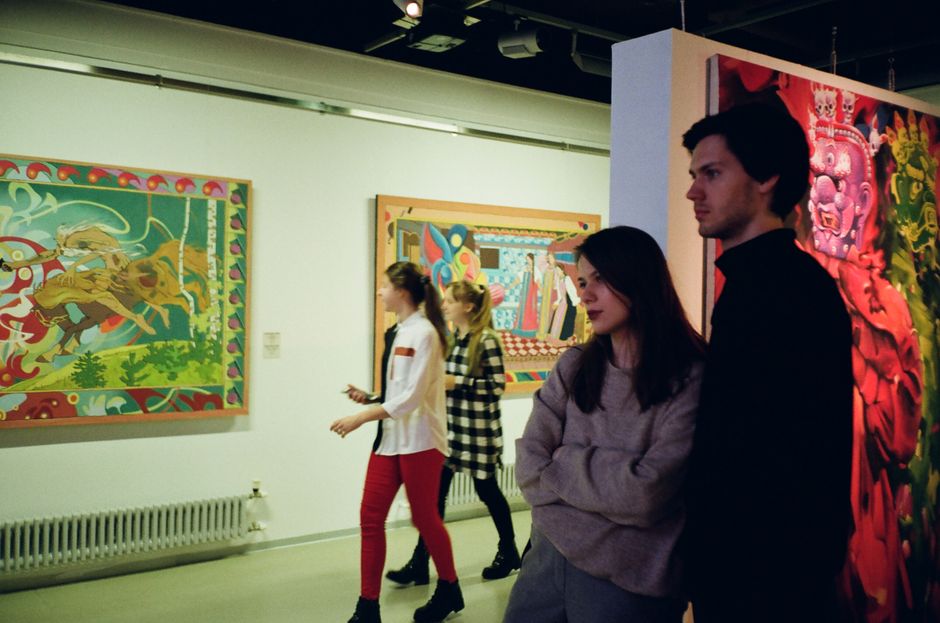
The Museo de Antioquia on Carrera 52 now hosts a rotating series called "Memoria y Restitución" that examines displacement and property restitution through contemporary art. It runs through September. The Museum of Modern Art (Museo de Arte Moderno de Medellín, or MAMM) on Carrera 44 just opened an installation by a Colombian collective that documents how neighborhoods reorganized themselves after the demobilization of paramilitary groups in the early 2000s. Neither show operates as trauma tourism. Both demand analytical engagement.
The shift reflects real institutional maturation. Medellín's cultural infrastructure has grown substantially since 2000, when only a handful of galleries existed in the city center. Today there are roughly 47 active galleries across Parque Berrío, the Design District (Zona de Diseño), and neighborhoods like Laureles and Envigado. Many opened in the last six years.
Between 2015 and 2025, the Medellín Metro recorded a 34 percent increase in cultural event attendance-from 2.1 million visitors annually to 2.8 million. Gallery memberships grew 52 percent. Ticket prices for theater and dance performances at venues like Teatro Metropolitano (Avenida Paseo Peatonal) have climbed from an average of 35,000 pesos a decade ago to 65,000 pesos today, suggesting both rising production quality and expanding audience demand.
That economic shift has consequences. It prices out some longtime residents while attracting young professionals and international galleries seeking space. The Zona de Diseño has become increasingly expensive in the last three years. But it has also created jobs. The Medellín Chamber of Commerce estimates that cultural industries now employ roughly 8,400 people directly in the city, up from 5,200 in 2018.
July's programming includes the opening of a new artist residency in Belén and a month-long performance series at the Teatro Lido featuring both Colombian companies and international acts. There's also the Festicine documentary festival, which runs through mid-July and focuses this year on environmental change in Latin America. Tickets for individual screenings cost 18,000 pesos.
For visitors and residents planning the month, check the Medellín Cultural District website for complete listings. Most venues stay open until 9 p.m. The city's metro cable cars (Metrocable) now operate extended evening hours through August, making access to uphill neighborhoods like Santo Domingo easier. Book gallery visits in advance-major shows are selling out faster than they did even two years ago.
About this article
Published by The Daily Medellín
Spread the word
Daily brief
Free, in your inbox before 7am. Weekdays.
The Daily Network