news
Medellín Leaders Debate Flooding Risks and Metro Expansion Plans
City leaders, urban planners and community voices weigh in on the issues shaping Medellín's final months of 2026.
How we reported this
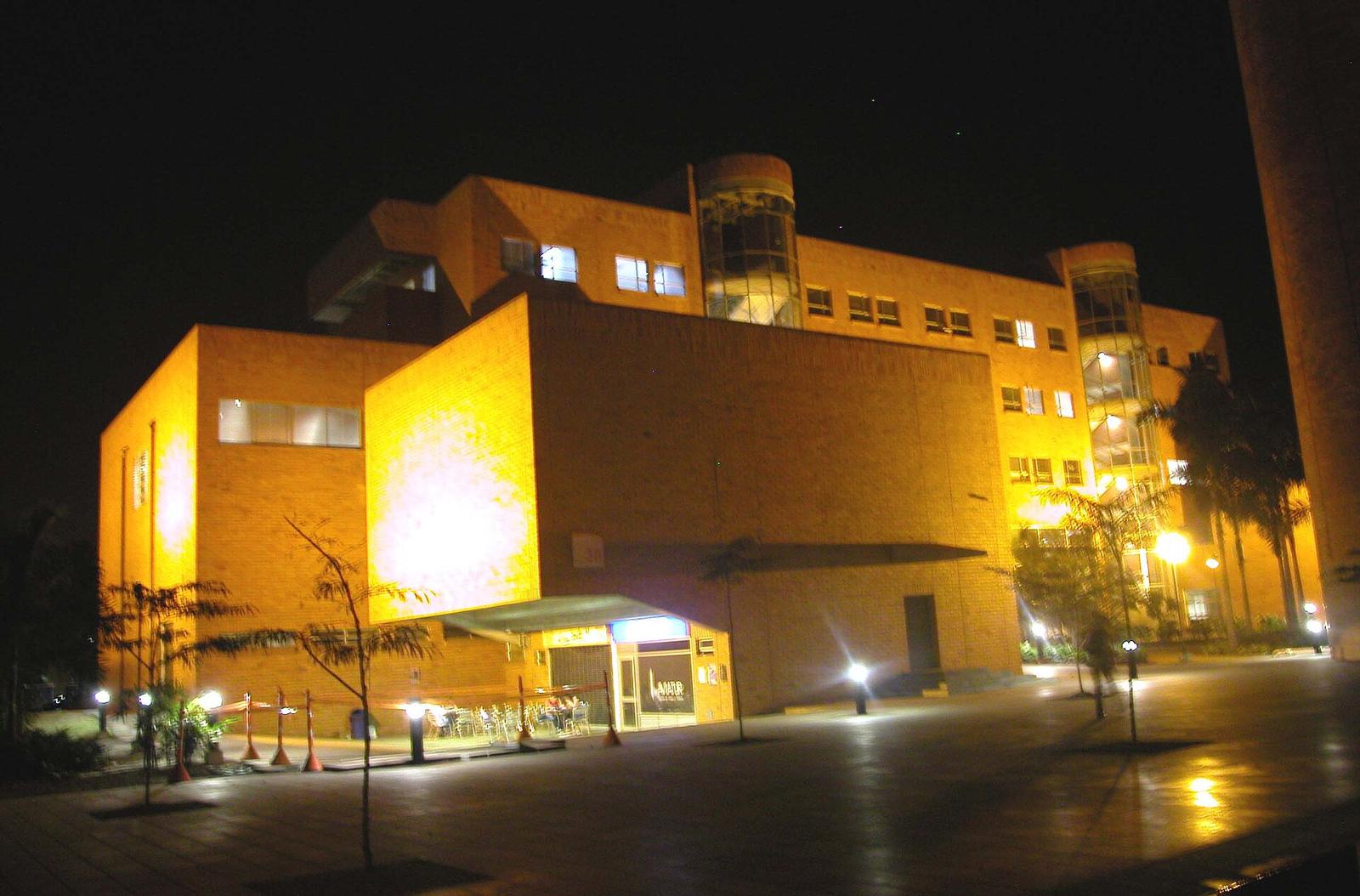
Three issues are dominating conversation at the Alcaldía de Medellín this week: a renewed flood-risk alert for the Ituango dam corridor along the Río Cauca, the stalled Phase III extension of the Metro de Medellín toward the Pajarito district, and a spike in informal vendor evictions along Calle 10 in El Poblado that has drawn sharp criticism from civil society groups. Officials are under pressure to respond publicly, and several have.
The convergence matters right now because the rainy season is deepening earlier than the IDEAM meteorological agency projected in its April forecast, and city infrastructure teams are still running behind on drainage upgrades promised under the Plan de Desarrollo 2024-2027. West Africa is already counting dozens dead from torrential floods; local emergency managers don't want Medellín to follow. EPM, the city's public utility company, issued a Level 2 hydrological alert for the Ituango reservoir on July 1, its highest in 14 months.
Flooding, Drainage and What the Dam Means for the City
Officials from the Departamento Administrativo de Gestión del Riesgo de Desastres, DAGRD, held a community session Tuesday night at the Biblioteca España in Santo Domingo Savio, one of the neighbourhoods deemed most vulnerable to flash flooding on the hillside comunas. Representatives told residents that 47 of the 112 planned stormwater retention works in Comunas 1 and 2 remain incomplete as of June 30. DAGRD's director did not give a revised completion date.
Urban hydrologist Claudia Restrepo, who teaches at the Universidad Nacional de Colombia's Medellín campus on the Núcleo El Volador, has been making the rounds on local radio. She told RCN Radio Medellín this week that the city's drainage capacity in the northeastern hillside comunas is roughly 30 percent below the load required to handle a storm event of the kind IDEAM now classifies as a 1-in-10-year occurrence, a frequency that, she noted, now arrives closer to every four years. Her assessment has been cited in at least two Concejo de Medellín debates this week.
EPM confirmed that the Ituango plant is currently generating at 62 percent of its projected 2,400-megawatt capacity, a figure the company attributes partly to precautionary water management during the elevated inflow period. The dam's reservoir level stood at 416 metres above sea level as of Wednesday morning, still well within operational parameters but being watched closely.
Metro Phase III and the Vendors of El Poblado
The Metro de Medellín's planned extension from Estadio station toward the Universidad de Antioquia campus and eventually Pajarito, a line that would serve an estimated 280,000 daily passengers by 2032, according to the Metro's own ridership projections, is now at least eight months behind the schedule set in the original 2023 contract. Metro CEO officials confirmed this week that right-of-way acquisitions along Carrera 65 are the central bottleneck, with 23 properties still in negotiation as of July 2.
Meanwhile, the Personería de Medellín, the city's ombudsman office, formally requested a hearing after vendors on Calle 10 between Avenida El Poblado and Avenida Las Vegas were removed by city inspectors between June 27 and June 29. The Personería estimates roughly 140 informal workers lost their sales locations during those three days. The Secretaría de Gobierno has not publicly responded.
The Centro de Pensamiento Urbano at EAFIT University, based in El Retiro but with a Medellín office near Parque Bello, released a brief policy note Thursday arguing that informal vendor relocation without prior site preparation has historically increased crime indicators in adjacent blocks within 90 days, a finding drawn from the 2018 clearances near Parque de Bolívar. That report is now circulating among Concejo members ahead of a scheduled session on July 8.
Residents and vendors affected by any of these issues can attend the next open Concejo session at the Palacio de Arenales on Calle 44, scheduled for 9 a.m. on July 8. DAGRD's community risk hotline, 4444 144, remains active 24 hours for flooding concerns. The Metro's public information office has promised an updated Phase III timeline before July 15.