news
How Medellín Manages Urban Challenges Better Than Many Global Cities
Amid rising urban pressures worldwide, Medellín’s approach to public safety, transport, and community engagement offers valuable lessons.
How we reported this
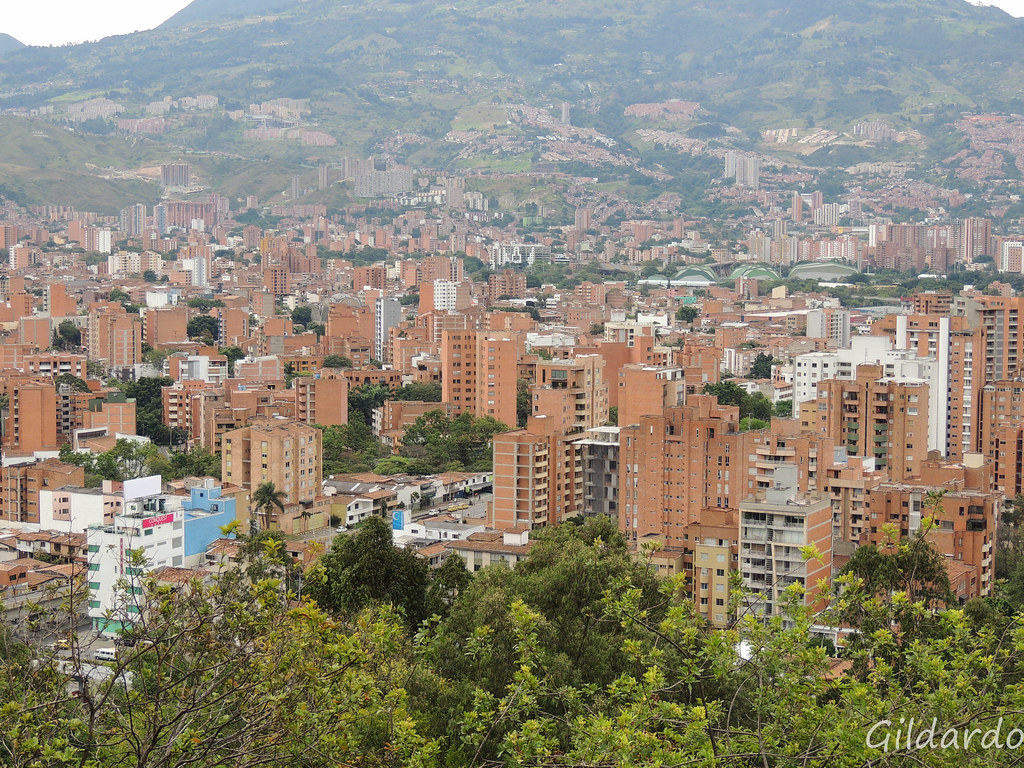
Medellín continues to demonstrate resilience and innovation in addressing urban challenges that plague many cities today. On July 11, city officials reported a 15% reduction in violent crime rates over the past six months, alongside improvements in public transportation and community-based programs targeting youth engagement. These efforts distinguish Medellín from other growing urban centers facing similar pressures.
As cities globally grapple with increased populations, social tensions, and infrastructure demands, Medellín’s experience is significant. The city’s historical context of violence in the 1990s has shaped a unique strategy combining technology, social programs, and inclusive governance. This approach is widely viewed as a model for mid-sized cities in Latin America and beyond, balancing development with social cohesion.
Rooted in Local Solutions: Education and Transport
The city’s investment in education through programs such as “Learn for Life,” operating in Comunas 1 and 13, addresses youth disenfranchisement by partnering local schools with Medellín’s innovative “Ruta N” technology hub. Located in the Laureles neighbourhood, Ruta N serves as an incubation center for startups, generating more than 500 jobs since its opening in 2011. This blend of education and economic opportunity has helped reduce dropout rates by 8% this year.
Public transportation improvements also set Medellín apart. The ongoing expansion of the Metro de Medellín, with its latest extension reaching the Bello municipality by late 2027, is projected to enhance daily commutes for over 100,000 riders. Moreover, the introduction of electric buses on Medellín’s popular Linea Circular Verde has cut carbon emissions by 12% since March. These initiatives reflect a commitment to sustainable, efficient urban mobility rarely matched by cities of similar size in South America.
Data-Driven Progress and Community Engagement
According to the municipal statistics office, Medellín’s crime rate now stands at 23 violent incidents per 100,000 inhabitants, markedly below the average of 38 per 100,000 seen in comparable cities such as Guadalajara or Lima. This improvement has been fuelled by enhanced surveillance systems and community policing in neighbourhoods like El Poblado and Laureles. Additionally, the city annually allocates approximately COP 45 billion (around USD 12 million) to social programs targeting violence prevention, an investment that far exceeds per-capita spending in peer cities.
City officials have also scaled up efforts to promote civic participation through initiatives like the “Consejos de Juventud,” youth councils that engage young residents in decision-making processes. This grassroots involvement is credited with cultivating trust and reducing social tensions, a challenge that many global cities struggle to overcome.
As Medellín continues to grow-its population reaching about 2.7 million-residents and officials alike remain focused on consolidating gains in safety and quality of life. For citizens, this means maintaining vigilance in community networks and taking advantage of municipal resources such as free workshops provided at public libraries like Biblioteca España.
Looking ahead, Medellín plans to launch a new phase of urban regeneration in the San Javier district in partnership with international donors, aiming to complete the project by 2029. Residents can expect expanded green spaces and improved public lighting as part of this initiative.
For visitors and locals alike, staying informed via official city portals and participating in neighborhood assemblies are practical steps to support ongoing progress and ensure Medellín remains a standout example of urban management on the global stage.