policy
Medellín Expands Community Services Funding to Boost Local Social Support
Increased local government budgets aim to enhance social programs impacting vulnerable populations across Medellín.
2 min read
policy
Increased local government budgets aim to enhance social programs impacting vulnerable populations across Medellín.
2 min read
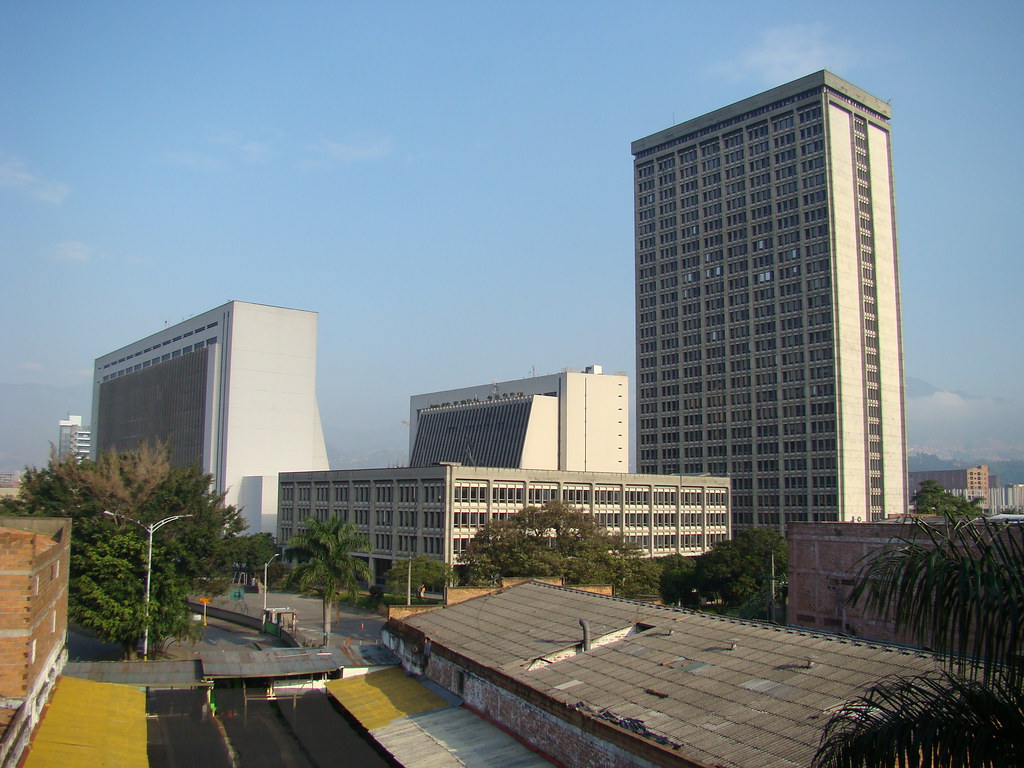
Medellín's mayoral office announced a significant increase in budget allocations for community services starting in the second half of 2026. The updated policy focuses on expanding social support programs for families, youth, and elderly residents, with funding expected to grow by 15% compared to the previous fiscal year.
This budgetary decision comes as the city faces rising demand for social assistance amid continuing economic pressures linked to national inflation trends and post-pandemic recovery challenges. The municipality's updated community services agenda targets key areas such as early childhood care, mental health services, and senior citizen welfare programs.
Residents of neighborhoods such as Comuna 13 and Belén are projected to benefit directly from expanded early childhood education initiatives and family support centers. The city plans to increase operational hours at existing child care centers and open three additional community hubs offering counseling and nutritional assistance.
For Medellín’s aging population, the new policy provides for the expansion of home visitation programs for seniors, improving access to medical screenings and social activities. Local community health clinics will also receive additional resources to facilitate mental health outreach, especially targeting young adults and middle-aged workers facing job insecurity.
The municipality has earmarked approximately 120 billion Colombian pesos (about 31 million USD) for community service enhancements in the 2026-2027 budget cycle. This represents a 15% increase over the previous year, according to the official budget report published by the Medellín City Department of Social Inclusion.
According to departmental data, over 45,000 individuals currently receive some form of social support through local government programs. With these expanded resources, officials expect a 20% increase in service capacity, which may translate to improved social and economic outcomes for the city's most vulnerable families.
Community representatives and social policy analysts suggest that enhanced social infrastructure can reduce barriers to education and healthcare access, thereby assisting Medellín residents in navigating the pressures of urban poverty and employment volatility.
Looking ahead, the municipality plans to conduct quarterly assessments of the program expansions to ensure resources are efficiently allocated. Public information sessions set for August aim to educate residents on the available services and encourage participatory feedback.
By focusing policy efforts on direct social service expansion, Medellín’s local government indicates commitment to addressing immediate community needs while building a framework for longer-term social resilience.
About this article
Published by The Daily Medellín
Spread the word
Daily brief
Free, in your inbox before 7am. Weekdays.
The Daily Network