policy
Medellín mayoral race pivots on housing and transit as candidates map competing visions for the city
With the 2026 municipal election underway, leading candidates are staking positions on affordable housing and metro expansion-policies that will determine whether working families can afford to stay in the city over the next four years.
How we reported this
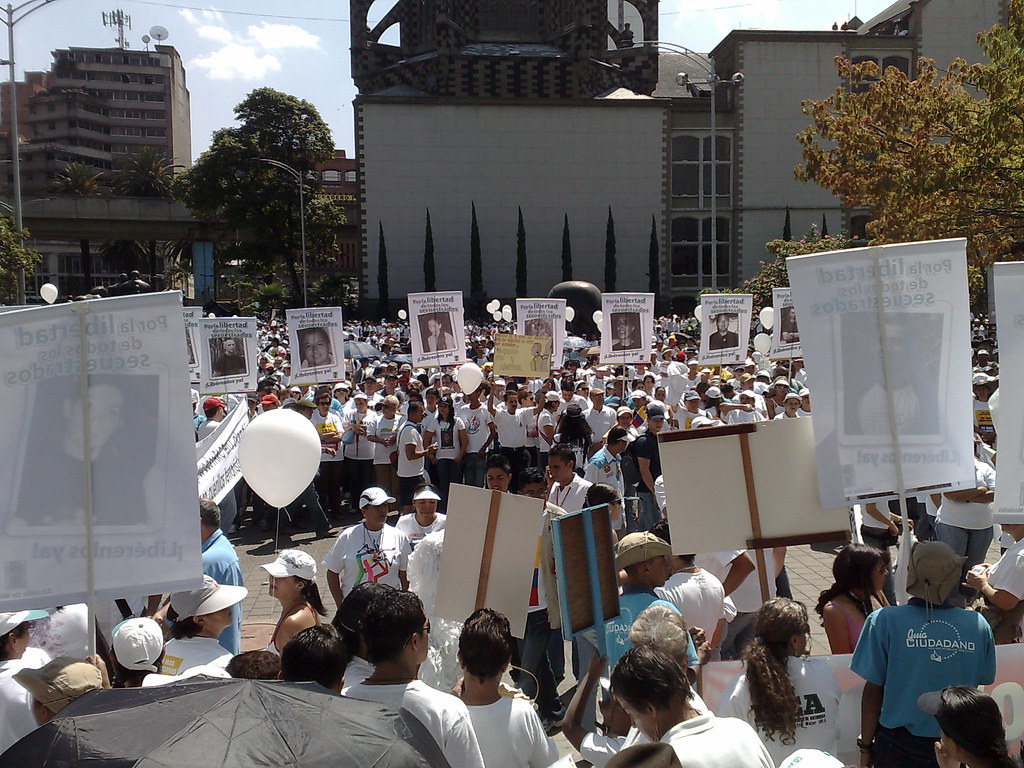
The race to lead Medellín through 2030 has crystallized around two competing blueprints for urban growth. Candidates vying for the mayoralty are proposing sharply different approaches to housing affordability and public transportation-the two issues that consistently rank highest in citywide surveys of resident concerns. The divergence reflects a fundamental tension gripping the city: how to manage rapid growth without pricing out the families who built Medellín's working-class neighborhoods.
The timing of this debate matters. Over the past decade, property values in central and eastern Medellín have climbed steeply. A two-bedroom apartment in Laureles that sold for 180 million pesos in 2016 now fetches upward of 320 million pesos, according to data from the Colombian Real Estate Association. Simultaneously, the metro system-which serves roughly 500,000 daily riders across six lines-has reached capacity constraints during peak hours on Line A, the city's busiest corridor connecting downtown to the southern districts where many industrial workers live. These pressures have made housing and transit the defining local issues of the electoral cycle.
The Housing Question
One faction of candidates is backing expanded rent controls and mandatory affordable housing quotas in new development projects. The proposal would require developers building projects of more than 5,000 square meters to dedicate 20 percent of units to households earning below two minimum monthly salaries-roughly 2.7 million pesos per month. Advocates argue this model has worked in cities like Bogotá, where similar requirements have produced over 8,000 affordable units since 2018. For Medellín renters, the policy would mean a guaranteed supply of units pricing out at no more than 800,000 pesos monthly in new buildings, slowing displacement in neighborhoods like San Alejo and Estadio.
The opposing camp warns that mandatory quotas will stall construction entirely, since developers say they cannot absorb the cost differential. These candidates instead propose tax incentives for builders who voluntarily create affordable stock and streamlined permitting to accelerate supply broadly. They point to supply-side arguments: Medellín issued permits for only 12,400 new residential units in 2024, while population growth and migration inflated demand by an estimated 18,000 units annually. Without faster construction citywide, they contend, prices will only climb further.
Metro and Mobility Choices
Transit expansion divides the field as well. Several candidates are pushing for completion of the second phase of the Green Line metro extension to Arví, projected to cost 3.2 trillion pesos and serve an estimated 90,000 daily riders in the northeastern communes once operational. Others argue the money should instead fund bus rapid transit corridors in the southern zones-a cheaper approach costing roughly 800 billion pesos for three corridors but requiring partnerships with municipal bus operators. The choice is not academic. Residents in Arví, San Cristóbal, and Popular spend 45 minutes to two hours commuting to jobs in the city center using existing cable cars and buses. A metro connection would cut that to 25 minutes. A bus corridor would save time but leave residents dependent on existing traffic patterns.
City transport planners note that the metro's current six lines generated 143 million trips in 2025, up 12 percent from 2023, underscoring both the system's popularity and its strain. Line A, running from Niquitao to La Estrella, registers crowding above 115 percent capacity during 7 a.m. to 9 a.m. and 5 p.m. to 7 p.m. windows. Expansion into underserved northern and southern districts would redistribute demand, but which districts get priority-and when-is a central contest in the mayoral race.
Medellín voters will weigh these competing visions in municipal balloting. The winning candidate will inherit a city budget of approximately 6.8 trillion pesos and inherit decisions made by previous administrations on land-use zoning and transit corridors. Neither housing nor transit can be built overnight. But the direction chosen now will shape which families can afford to remain in the neighborhoods they helped build over the coming decade.