policy
Medellín Council Approves Transit Subsidy Expansion, Cuts Fares for Low-Income Commuters
The city council's 9-4 vote to extend subsidised bus and metro passes to residents earning below the poverty line is expected to reduce transport costs for roughly 380,000 Medellín households starting in September.
How we reported this
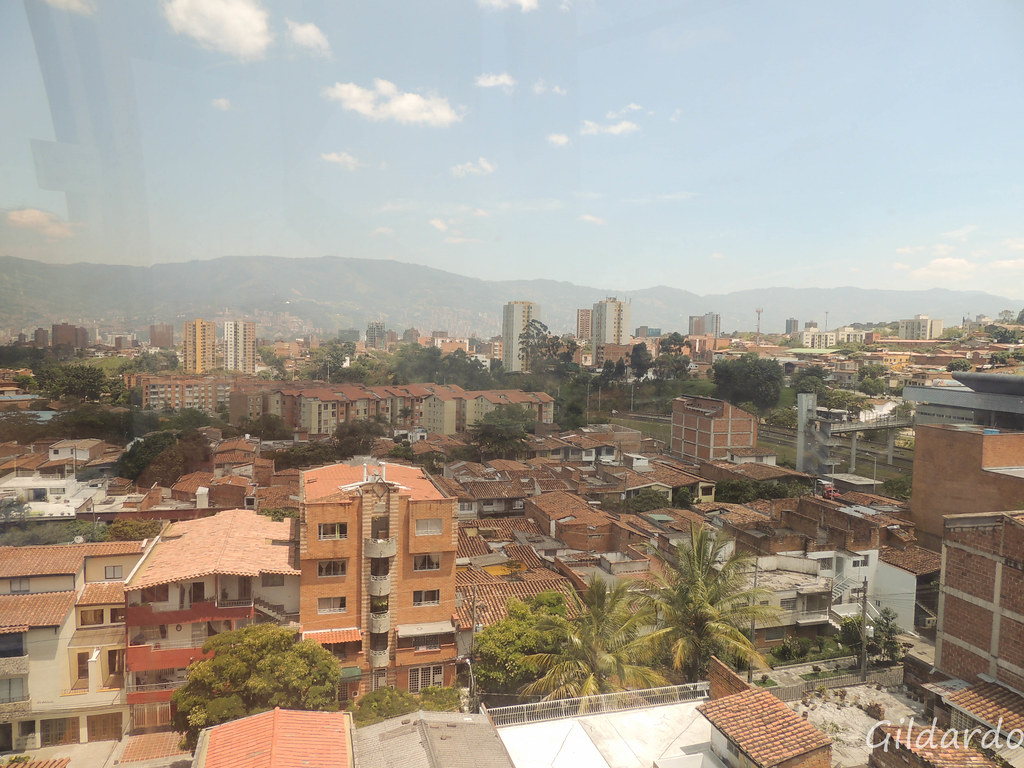
Medellín's city council voted 9-4 on Tuesday to expand the municipal transit subsidy programme, extending reduced-fare passes to households earning below the official poverty threshold of 1.38 million pesos monthly. The decision, passed during the council's monthly plenary session at the Palacio Municipal, directs the municipal transport authority to implement the new eligibility standard by 1 September 2026.
The expansion addresses a gap in the current system. Since 2019, the city has offered subsidised fares only to pensioners, students, and disabled residents. Under the new rule, working-age adults in households below the poverty line become eligible for the same discounted rates, cutting their monthly transport costs to roughly 10,000 pesos for a 30-day metro and bus pass, down from the standard 89,000 pesos. City planning officials told council members that the change is expected to affect approximately 380,000 additional households across Medellín's six communes and two corregimientos, based on municipal poverty surveys from 2024.
For a single mother earning 1.2 million pesos per month working part-time in a retail store in Centro, the subsidy means saving around 79,000 pesos monthly on transport alone. That money can stretch to groceries or rent in a city where the average one-bedroom apartment in lower-income neighbourhoods like Arví or Santo Domingo costs 650,000 pesos. Transport remains one of the largest household expenses for working-poor families in Medellín, typically consuming 12 to 18 percent of monthly income for those without subsidies, according to analysis presented to the council by the Universidad EAFIT.
Funding and Implementation Timeline
The council approved a temporary budget reallocation of 4.2 billion pesos from the 2026 municipal contingency fund to cover the first two months of expanded subsidies. The city administration, led by Mayor Federico Gutiérrez's office, is expected to present a permanent funding mechanism by mid-August that could draw from a combination of increased municipal transport fees on higher-income users and national government transfers for social programmes. The administration has not yet detailed whether standard fares will increase to offset the cost.
The vote came after two weeks of debate within council chambers and public hearings in which representatives from transport unions, resident associations in low-income barrios, and business groups testified. The Colombian Association of Transport Operators expressed concern about reduced revenue but acknowledged the council's authority to set subsidy policy. Several council members voting against the measure cited uncertainty about long-term funding, though no councillor opposed the subsidy itself on principle.
What Happens Next
Starting 1 September, residents can apply for the expanded subsidy through the municipal social services office or online via the city's citizen portal. Eligibility verification will rely on household income declarations cross-checked against municipal tax records and the SISBEN national poverty database. The metro system, operated by Metro de Medellín, and the integrated bus network managed by the municipality will issue new fare cards reflecting the discount within 30 days of approval applications.
Transport advocates note the change does not address underlying infrastructure gaps. Several low-income neighbourhoods on Medellín's southern edge, including parts of San Alejo and Belén, remain served by only one or two bus routes with infrequent service. The council's transport committee is separately reviewing a capital investment plan for 2027 that would expand coverage in underserved areas, though funding for that proposal has not yet been secured.