policy
Medellín’s New Housing Policy Puts City Ahead of Peers in Affordable Living Initiatives
The recently adopted housing measures aim to increase affordable homes and improve living conditions for more than 50,000 Medellín residents over the next five years.
How we reported this
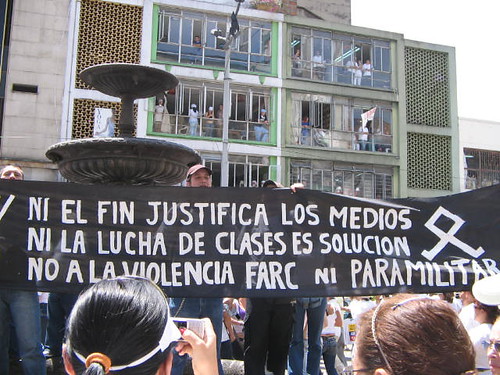
The Medellín city government has implemented a new housing policy designed to expand affordable housing options and upgrade existing residential infrastructure. This policy primarily targets lower-income families and urban communities facing housing insecurity, aligning with the municipality’s broader social development agenda.
Housing affordability and urban growth have become pressing challenges in Medellín due to rapid population increases that have stressed existing resources and services. With over 2.5 million inhabitants as of 2025, the city faces significant demand for accessible homeownership and rental opportunities. The timing of this policy coincides with rising real estate prices in the Aburrá Valley, which have placed further pressure on vulnerable families who traditionally rely on social housing programs.
Impact on Medellín Residents
For local residents, the policy proposes several concrete changes. Key provisions include the construction of 10,000 new affordable housing units across four comunas with high rates of overcrowding. These developments are expected to introduce modern building standards, mitigating fire risks and improving water and sanitation access in peripheral neighborhoods such as La Sierra and Popular.
The policy also introduces rent subsidies for up to 4,500 households earning less than two minimum wages, aiming to reduce monthly housing costs by a projected 20%. Furthermore, homeowners in older buildings will have access to low-interest loans for necessary repairs, which helps maintain the structural safety and livability of existing housing stock. Public transport routes to these neighborhoods are planned for upgrades, intended to reduce commute times by 15 minutes on average, thus improving access to jobs and services.
Comparison with Other Colombian Cities and Data Insights
Compared to Bogotá and Cali, Medellín’s policy commits a higher percentage of the municipal budget to housing. The city’s 2026 budget allocates 12% of its $1.2 billion expenditure to affordable housing projects, exceeding Bogotá’s 8.5% allocation in 2025 and Cali’s 9% in 2026, according to municipal financial reports. Nationally, the Colombian Ministry of Housing set a target of 100,000 affordable units over five years, and Medellín is contributing roughly 10% of this goal, reflecting its proactive stance in urban housing challenges.
Independent analysts note that the integration of transport improvements with housing investments is a notable feature, as many Colombian cities focus solely on construction. Research from the National University of Colombia highlights that integrated policies tend to reduce homelessness rates and improve economic mobility more effectively. Medellín’s expansion of access to financing for repairs is also viewed as innovative, addressing a critical gap in home preservation that often leads to displacement.
Going forward, the Medellín government says the policy will be monitored for effectiveness through annual resident surveys and housing condition audits starting in late 2027. The city administration plans to partner with local universities and civil society groups to assess progress and ensure community input. Implementation of new construction projects is projected to begin by the fourth quarter of 2026, with the first wave of 2,000 housing units expected to be completed by mid-2028.