policy
Medellín’s New Public Transport Policy to Reshape Commuting and Urban Mobility
The city’s updated transport plan aims to improve accessibility and reduce costs for daily commuters, though some peripheral neighborhoods may see slower benefit rollout.
How we reported this
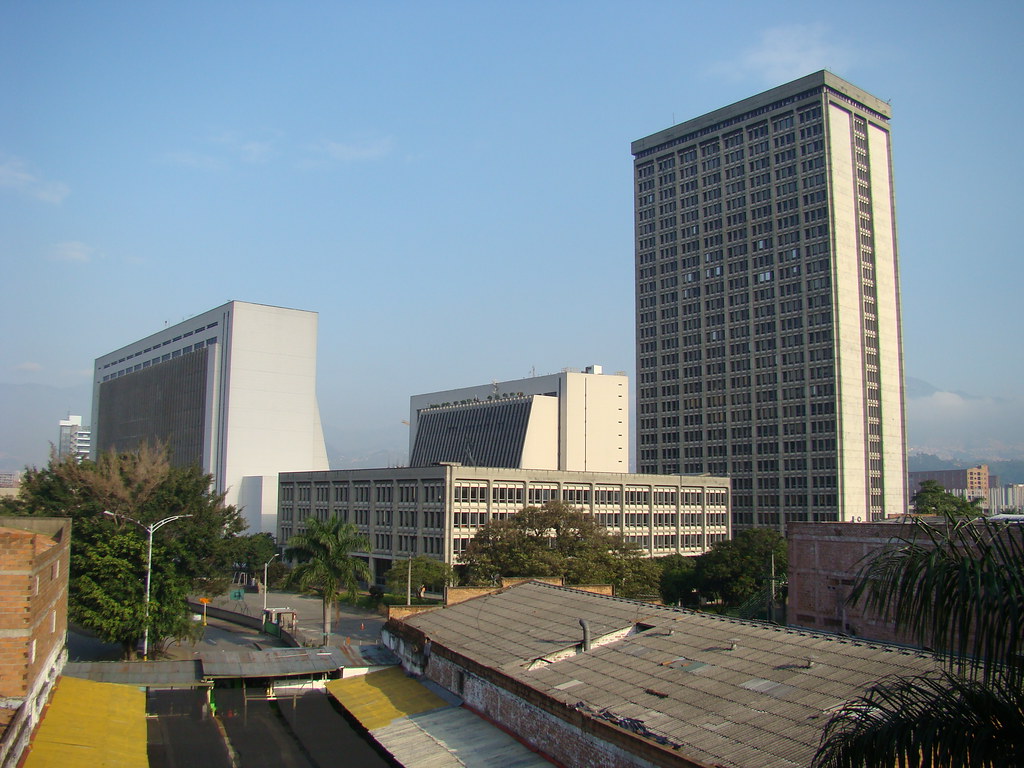
Medellín’s municipal government has unveiled an updated public transport policy set to affect tens of thousands of residents who rely on the city’s metro, bus, and cable car networks. The policy introduces a fare restructuring coupled with an expansion of service hours and coverage, primarily targeting lower-income and suburban communities. Social services and local businesses are expected to experience knock-on effects from improved mobility.
This policy change arrives after a five-year period marked by rising congestion and uneven access to efficient transit options across Medellín. The city’s population has grown to approximately 2.5 million residents, with urban sprawl extending eastward. Transport authorities have cited data from the latest Metropolitan Mobility Report indicating that 42% of workers in peripheral districts spend over 90 minutes commuting one way, hindering economic opportunities and increasing household expenses.
What Residents Can Expect
Under the new fare structure, a standard single ride on the metro and integrated bus system will cost 1,800 Colombian pesos, a decrease from the previous 2,100 pesos. Monthly transit passes for low-income residents enrolled in the city's social welfare registry will be subsidized by 30%, reducing commuter costs significantly. Service hours will expand with metro lines running until midnight on weekdays and 2 a.m. on weekends, facilitating late shifts and weekend work.
The policy also allocates funds to extend the cable car system, Metrocable Line K, deeper into the Santo Domingo Savio area, expected to begin construction in early 2027. This expansion aims to cut travel times by up to 20 minutes for residents in this hillside neighborhood, who currently rely on informal minibusses.
Local shop owners around the expanded transit hubs express cautious optimism. While better transport access could increase customer flow, some voice concern about construction disruptions and longer timelines for visible change.
Funding and Implementation Timeline
The municipal transport portfolio has earmarked 260 billion Colombian pesos ($56 million) for the policy rollout in the 2026-2028 budget, covering fare subsidies, infrastructure upgrades, and additional vehicles. Transportation experts note that while budgeting appears adequate for initial phases, ongoing maintenance and service optimization will require sustained funding.
The implementation is scheduled in phases, beginning with fare adjustments in September 2026, followed by service hour expansions in early 2027. Infrastructure projects, including the Metrocable extension, are set to commence in March 2027 with a projected completion date in late 2029. The city government has promised quarterly progress updates to maintain transparency with residents.
Policy analysts emphasize the need for monitoring accessibility outcomes, especially to ensure that the promised benefits reach marginalized communities. Additionally, residents will need to adjust quickly to fare changes and new schedules amid the phased rollout, prompting local NGOs to plan information campaigns.
Overall, Medellín’s updated transport policy represents a substantial shift designed to ease urban mobility pressures and enhance residents’ ability to access employment, education, and services at lower cost. The coming months will reveal how effectively the city navigates logistical challenges and delivers the planned improvements to all communities.