policy
Medellín Council Approves Transport and Workforce Development Plan; What It Means for Your Commute and Job Prospects
The city council voted July 10 to expand bus rapid transit routes and fund technical training programs, expected to cut commute times and create 8,000 jobs over three years.
How we reported this
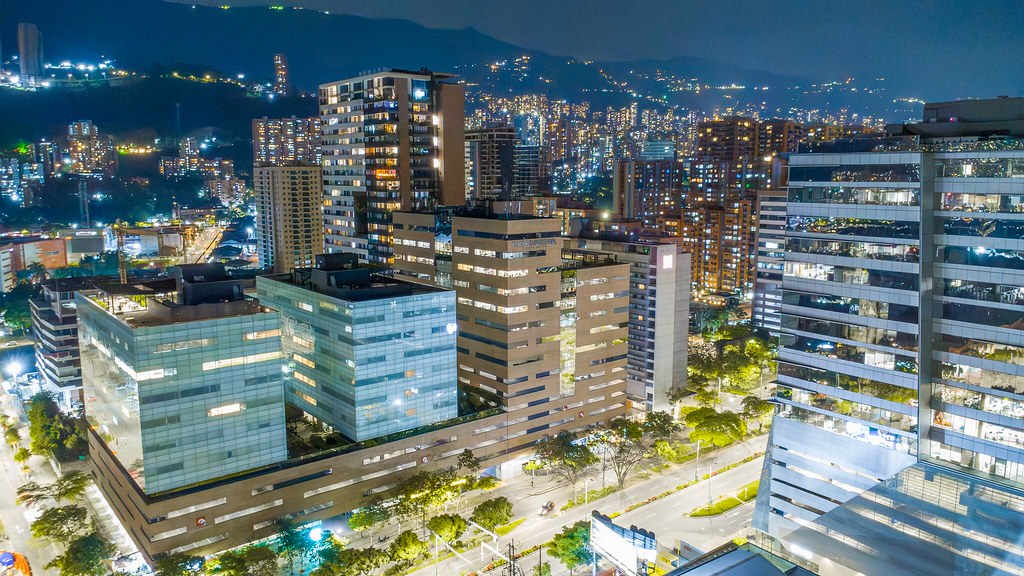
Medellín's city council voted 28-4 on July 10 to approve a three-year transport and employment initiative that will reshape how residents move through the city and access job training. The vote came after a 90-minute debate that focused on funding mechanisms and implementation timelines. The council allocated 847 billion pesos (approximately USD 210 million) to expand the MetroPlus bus rapid transit system into six neighbourhoods currently served only by conventional routes, and directed 156 billion pesos toward technical vocational training programs in construction, logistics and digital services.
The vote reflects mounting pressure on city services. Medellín's metropolitan area has grown 12% since 2020, adding roughly 400,000 residents, according to the latest municipal census data. Commute times in outer districts like San Cristóbal and La Candelaria have stretched to 75 minutes on average during peak hours, according to transport authority figures released in May. Youth unemployment in poorer zones stands at 18%, nearly triple the city-wide rate. These twin pressures-gridlocked traffic and job scarcity-drove council members across party lines to support the measure despite disagreements over its cost and pace.
What Changes on the Ground
The MetroPlus expansion will add 23 kilometres of dedicated bus lanes and 34 new stations. The system currently serves 10 zones; the expansion targets commuters in San Alejo, Manrique, Villahermosa, Arví, Robledo and part of Castilla. City planners say the work will begin in Q4 2026, with routes opening in phases through 2029. For a resident in Manrique earning a typical factory wage of 1.2 million pesos monthly, the move is concrete: the new MetroPlus stop 800 metres from his home cuts his current 65-minute bus journey to 35 minutes, freeing up two hours weekly that he can spend with family or take a second job.
The workforce development component targets 8,000 people over three years through partnerships with the National Learning Service (Sena). Programmes will run in 12 community centres across districts with unemployment above 14%. A welder or truck driver certification, currently costing 2.8 million pesos in private institutions, will be free. Council records show the city offered 2,100 such placements in 2024, leaving demand far unmet. The new funding expected to triple that number. Each graduate, according to labour ministry data from similar programmes in Cali, enters the workforce earning 15-22% above the regional minimum wage within six months.
Timeline and Next Steps
Implementation begins immediately. The municipal transport authority has 45 days to issue tender documents for the MetroPlus construction contracts. Sena will begin enrolling candidates in August. Council vote margins suggest broad support will sustain the plan through budget cycles; however, the city treasurer's office must confirm funding availability in Q4, as the full 847 billion peso commitment depends on three separate municipal revenue streams. City officials say they expect to announce the first construction contracts by October 2026.