policy
Medellín Council Approves Waste Management Overhaul; Residents Face Higher Fees Starting September
A 7-4 council vote on Wednesday green-lights new recycling mandates and cost recovery measures that will increase household waste disposal charges by an average of 12 percent.
How we reported this
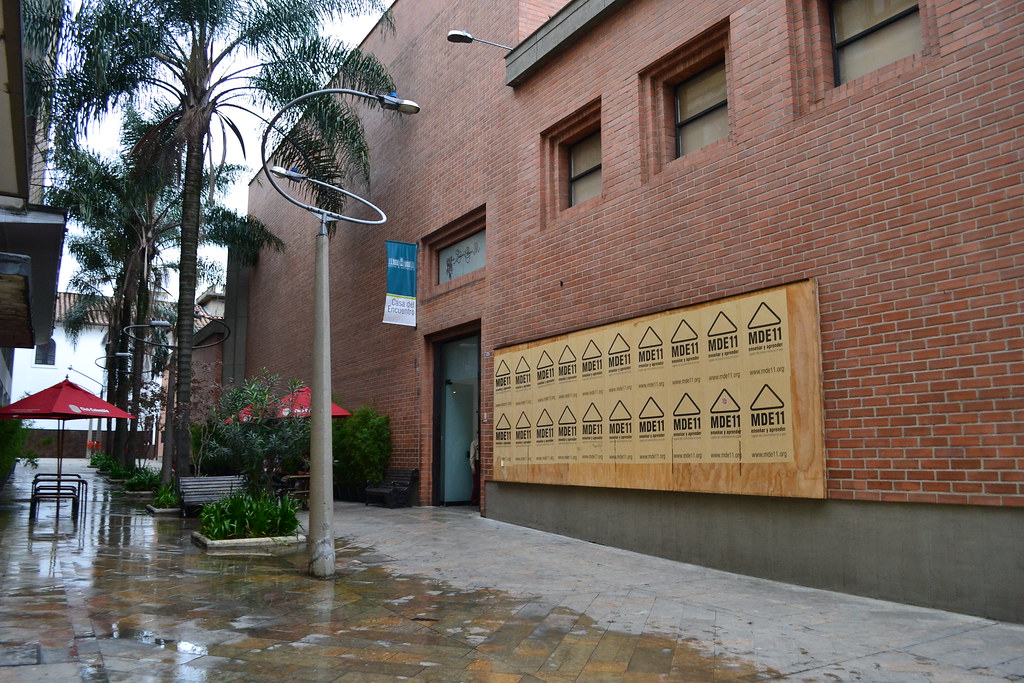
Medellín's city council voted 7-4 on Wednesday to pass an updated waste management framework that reshapes how the city handles solid waste collection, recycling, and disposal over the next five years. The ordinance, formally titled the Integrated Solid Waste Management Plan 2026-2031, takes effect September 1 and introduces mandatory source separation of organic, recyclable, and hazardous waste for all residential and commercial properties. Households will see their monthly waste fees rise approximately 12 percent, while businesses generating more than 50 kilograms of waste daily face steeper increases tied to volume.
The vote came after six months of negotiation between city administrators, waste collection contractors, and neighborhood groups. Officials say the current system, largely unchanged since 2014, fails to meet Colombia's national recycling targets and leaves Medellín's three main landfills on pace to reach capacity within seven years. The council's environmental committee cited projections from the city's Waste Management Office showing that without intervention, the municipality would need to open a new disposal site by 2033, at an estimated cost of 450 billion pesos ($110 million USD equivalent). Residents currently contribute about 85,000 tons of waste monthly across the city's thirteen communes and two corregimientos.
What Changes for Medellín Households
Starting September, residents must separate organic waste (food scraps, yard debris) from recyclables (paper, plastics, metals, glass) and hazardous materials (batteries, electronics, medications). The city will distribute free color-coded bins to all households; collection schedules remain unchanged for now, but trucks will refuse loads that fail to comply with sorting rules after a three-month grace period. Apartment buildings with more than twenty units must install dedicated composting facilities on-site or contract with private composting services approved by the city, a requirement that condominium boards say could cost between 8 and 15 million pesos ($2,000-$3,600 USD equivalent) per building in setup costs.
The fee increase affects the monthly waste tax included in utility bills. A household in Comuna 10 paying 47,000 pesos ($11.40) monthly today will pay approximately 52,640 pesos ($12.75) by October. Residents earning less than twice the legal minimum wage qualify for a partial exemption; those with verified incomes below the threshold receive a 25 percent fee reduction. The city estimates approximately 140,000 households across Medellín meet the low-income criteria and have already begun registering with the municipal social services office for the subsidy.
Implementation Timeline and Next Steps
The administration says it will deploy 500 new waste collection workers by August 15 to manage sorting oversight at neighborhood collection points. The city contracted with four private recycling firms to handle separated materials from drop-off sites in each commune; a bid process for a fifth contractor is underway. Officials project the plan will divert 40 percent of current waste from landfills within two years, reducing methane emissions from decomposition and extending landfill life to approximately 2040.
Community advocates and local environment groups report mixed reactions. The Foundation for Sustainable Development in Antioquia says the sorting mandate will create jobs in informal recycling sectors but warns that enforcement clarity remains unclear. The city council is scheduled to hear concerns from residents and building administrators at a public hearing on July 25. The environmental committee will present implementation guidelines on August 8, with final clarifications to be issued by August 31.