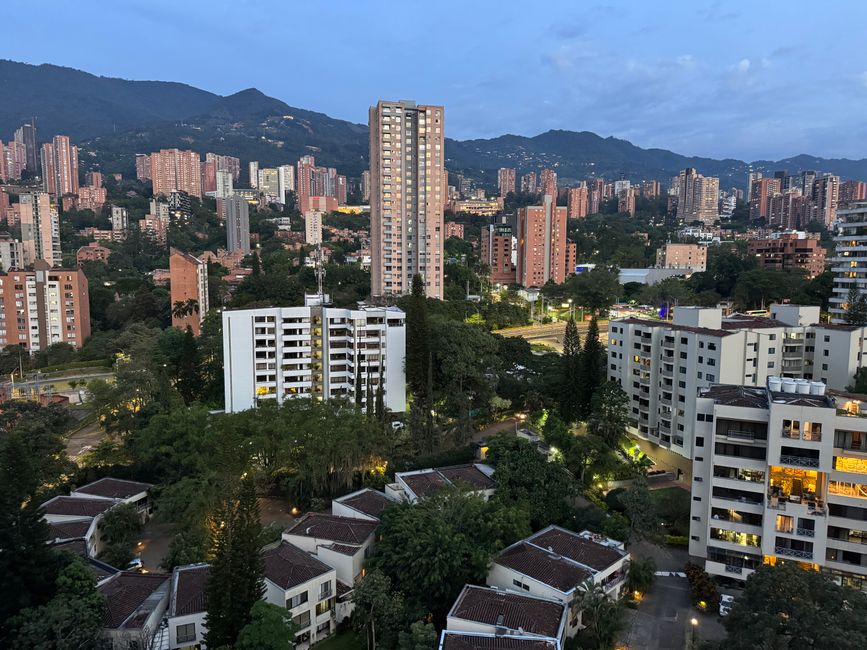
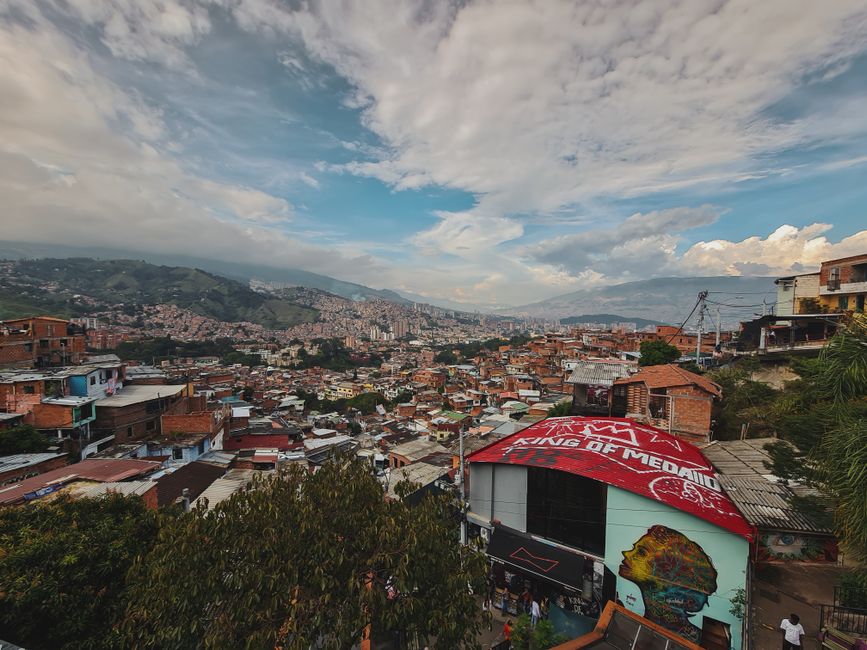
Tenants across Medellín are facing a familiar anxiety this July, as lease renewals collide with a citywide shortage of available rentals, pushing many to rethink their housing plans. Competition for apartments is fierce in areas like Laureles and El Poblado, and renters nearing the end of their contratos de arrendamiento are discovering just how little power they hold in the current market.
This crunch didn’t happen overnight: a surge in both local demand and the return of international digital nomads has squeezed supply for over a year, driving up prices even in traditionally affordable sectors like Belén and Envigado. According to Metrocuadrado’s June 2026 market report, rental price growth in Medellín outpaced inflation again this year, leaving many residents searching for options as landlords cite market conditions to justify steep hikes.
Neighbourhoods Where the Squeeze Is Tightest
The epicenter of the supply squeeze can be felt from Calle 44 in Laureles to the bustling towers along Avenida Las Vegas in El Poblado. Agencies such as Arrendamientos Integrados and Inmobiliaria Santander say inventory is down by at least 30% compared to pre-pandemic levels in these areas. Rooms in shared apartments are also being snapped up quickly, with local listings on sites like FincaRaiz rarely staying up more than 48 hours. Meanwhile, sprawling new high-rise projects along Transversal Inferior still attract buyers, but for renters, the competition has turned stressful and, in some cases, desperate.
Gabriel Restrepo, a property manager in Belén, reports that many tenants are now securing second-choice apartments-sometimes in less desirable blocks or further from metro lines-months ahead of their actual move date. “If you wait until your lease ends, you’ll face both higher prices and less selection,” confirms his colleague at Inmobiliaria Santander. Agencies around Calle 10 in Manila and Provenza say that walk-ins are increasingly rare; most appointments are made virtually, and units can be gone within hours of listings going live.
Rising Costs, and What Renters Can Do
Average rent for a two-bedroom in Laureles hit COP 2,300,000 in June, nearly 12% higher than last July. Median monthly rents in Belén and San Joaquín surpassed COP 1,750,000, according to the Cámara de la Propiedad Raíz de Medellín. With vacancy rates dipping as low as 3.4% in central zones, those who can’t afford to buy are watching prices climb out of reach. For comparison, local banks such as Bancolombia still require a 20% deposit for first-home purchases, pricing out many would-be buyers and keeping the pressure on the rental market.
So, what are renters supposed to do now? Property managers and tenant advocates suggest three routes: renew early if possible, leverage the Garantía Bancaria (bank guarantee) services so popular in Medellín to improve your application, or consider moving to up-and-coming areas-like San Cristóbal or Robledo-where supply is slowly beginning to improve. Some are even banding together to rent larger family homes, splitting costs across three or four roommates rather than hunting for scarce one-bedrooms.
Civil society groups, such as Fundación Acción Arrendataria, have started weekend pop-up help desks at Parque de los Pies Descalzos, where renters can review contracts and get advice on negotiating tough renewals. Some long-term tenants report success securing only modest increases by pushing back in writing and showing comparative listings from FincaRaiz or Metrocuadrado. With the rental crunch expected to continue at least through December, experts urge tenants to start their search early, stay flexible about location, and get documents ready ahead of time.
For now, the balance of power clearly favors landlords, but tenants armed with timely information and persistence still have options. Staying alert for new listings, considering less central barrios, and seeking support from organizations or WhatsApp rental groups could make the difference between securing the next home or facing another round of market uncertainty.