Property
How Much Rent Is Too Much? The 30% Rule in Practice in Medellín
Analysing the widely cited 30% rule-and whether renters in Medellín can obey it amid rising prices.
3 min read
Updated 2 h ago
Property
Analysing the widely cited 30% rule-and whether renters in Medellín can obey it amid rising prices.
3 min read
Updated 2 h ago
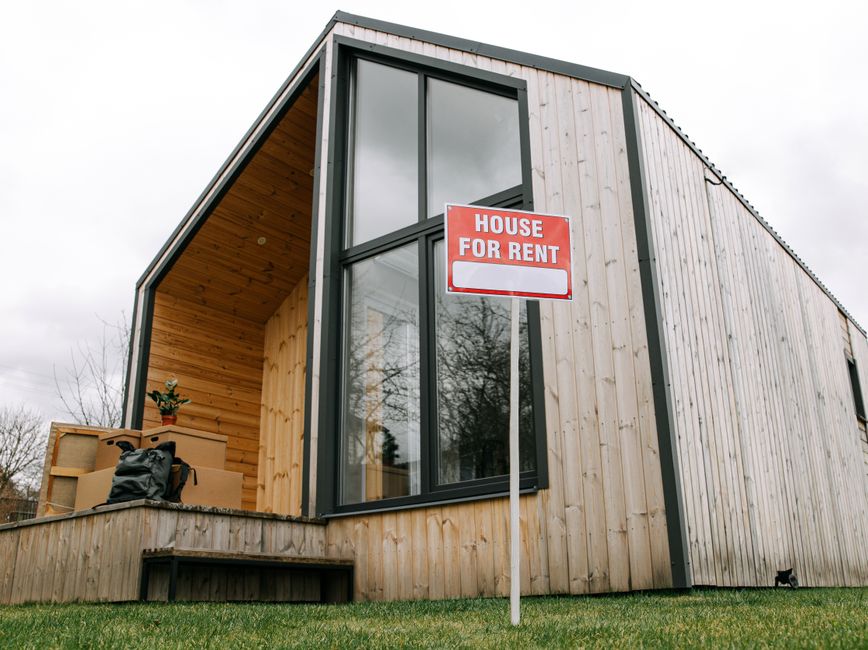
Rental affordability in Medellín is facing a fresh stress test as average prices in central neighbourhoods push more residents to dedicate well over 30% of their monthly income to housing. According to new data published this week by the real estate analytics firm Galería Urbana, monthly rents in Laureles and El Poblado now routinely exceed COP 2.5 million for standard two-bedroom apartments, outpacing typical salary growth in the city.
The 30% threshold-that is, spending no more than one-third of income on housing-is a familiar rule-of-thumb for renters and buyers alike. But it’s no longer a given. The issue is gaining urgency now, as inflation eats at wages in Medellín while property values rebound from their pandemic-era slump. The surge has been especially keen in areas near Universidad Pontificia Bolivariana and along Avenida Jardín in Laureles, where rental listings have increased by over 12% on average since July 2025, according to Propiedad Raíz Medellín.
Those chasing jobs in the tech sector around Ciudad del Río or the creative industries in Manila face similar hurdles. Two-bedroom options near Parque Lleras, once aimed at international students and digital nomads, now routinely cross the COP 3 million mark. For median-income households-estimated at just under COP 4.6 million per month by the Cámara de Comercio de Medellín-meeting the 30% ceiling means finding an apartment for no more than COP 1.4 million monthly. In El Poblado, units at that price are vanishingly rare.
So, is the 30% rule realistic for most renters here? New figures from La Lonja de Propiedad Raíz de Medellín y Antioquia, the city's leading real estate association, show that just 18% of new lease signings in the first half of 2026 fit that limit. The rest are stretching to 35%, 40%-or even higher. Lower-cost barrios such as Belén San Bernardo or Aranjuez still offer units in the COP 900,000 to 1.2 million range, but competition is fierce and turnover is high.
The squeeze is shifting the market in subtle ways. More renters are seeking housemates or co-living spaces; apps like RoomiCol and traditional agencies such as Arrendamientos Envigado report a sharp spike in room-by-room searches. The city’s Ciclovía corridors have even seen informal flyers advertising open rooms-something that was rare a few years ago.
Looking ahead, city officials within Medellín Futuro-the municipal housing program-are weighing new support mechanisms, such as direct rental subsidies or incentives for smaller apartment construction, though no new funding has yet been announced. For residents, the key advice from consumer advocates remains: calculate all fixed bills before signing a lease, factor in building administration fees, and don’t count on finding generous employer subsidies outside of a handful of tech or multinational firms.
If sticking to the 30% rule feels impossible, financial planners suggest setting a hard cap and prioritising savings for emergencies-a bitter pill, but a necessary one for many in today’s market. Whether Medellín will see relief in 2027 depends on new housing supply actually reaching the city’s fastest-growing districts, not just its glitziest ones.
Property

Property

Property

Property
About this article
Published by The Daily Medellín
Spread the word
Daily brief
Free, in your inbox before 7am. Weekdays.
The Daily Network