property
Young Professionals Flock to Medellín's Transformed Laureles-Estadio Neighborhood
A walkable grid of cafés, co-working spaces and renovated apartments is pulling a new generation of residents into a neighbourhood that old-timers once dismissed as sleepy.
How we reported this
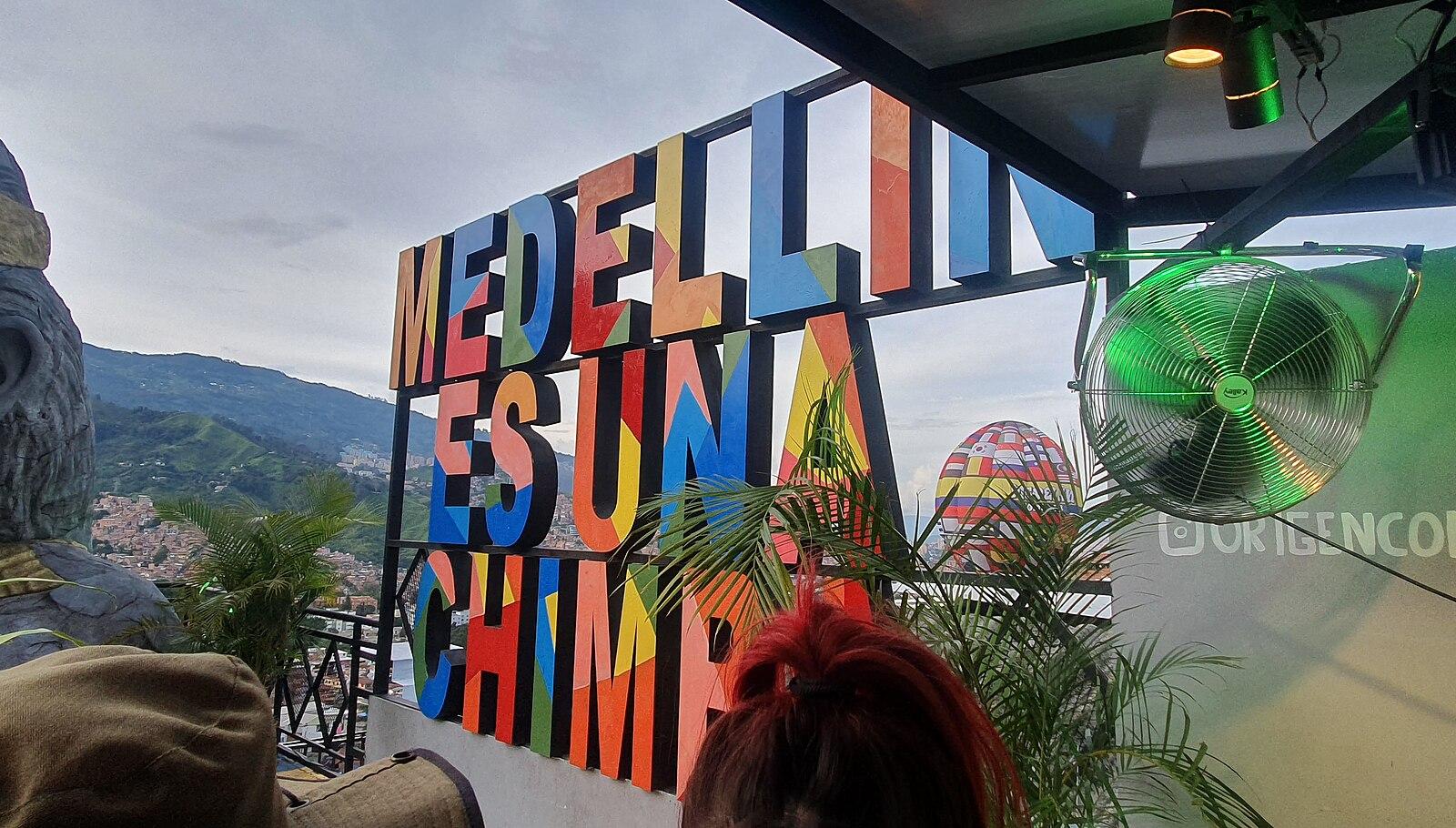
Foot traffic on Calle 33 through the Laureles-Estadio commune has roughly doubled since the pandemic-era slump, according to local business-association figures cited in Medellín's 2025 Urban Mobility Diagnostic, and the mix walking those pavements has changed visibly. Creative freelancers with laptops, startup employees on video calls, and digital nomads with Colombian visas have been folding themselves into a neighbourhood that was, until recently, best known for its football stadium and its older middle-class families. Rents for a furnished one-bedroom apartment in Laureles now run between COP 1.8 million and COP 2.6 million per month, a jump of around 30 percent compared with prices recorded in the same sub-sector in early 2023.
The timing matters. Medellín's administration has been channelling public investment into the Estadio metro station corridor since 2024 under its Compact City infrastructure plan, improving pedestrian paths and bicycle lanes along Avenida Nutibara and the connecting streets around the Atanasio Girardot sports complex. That public spending has arrived just as remote work normalised a generation of Colombians who no longer need to live near an office park in El Centro or the Poblado financial strip. Laureles offers the same Línea A metro access at a lower price point than El Poblado, the neighbourhood that dominated investor conversations for the better part of two decades.
Where the Money Is Actually Going
The clearest sign of the shift is construction. At least four mid-rise residential projects are currently under marketing on or near Carrera 76, the long boulevard that divides Laureles from the quieter Robledo hillside. Promoters at local developer Grupo Oikos and regional firm Marval, both of which have active project listings in the commune as of mid-2026, are pitching units specifically at buyers aged 25 to 40, emphasising rooftop terraces, co-working alcoves in common areas, and pet-friendly policies. Pre-sale prices for studio apartments in one of these projects start at approximately COP 230 million, positioning Laureles well below comparable new builds in Provenza or Parque Lleras in El Poblado, where studios breach COP 350 million with regularity.
The neighbourhood's café ecosystem has amplified its appeal at street level. Pergamino Café, which built its name in El Poblado, opened a second location on Circular 73 in Laureles and quickly became a congregating point for the remote-working crowd. Nearby, co-working operator Selina, which has operated a hostel and workspace on Avenida El Poblado, has been scouted for a possible Laureles expansion, though no lease has been publicly confirmed. The commune already hosts smaller independent co-working spaces like Tinkko, which operates a site a short walk from the Estadio metro stop and has positioned its pricing below bigger operators to attract early-career professionals and freelancers on tighter margins.
Risks Worth Watching Before You Sign a Lease
Displacement pressure is real. Longtime residents of the streets behind the Unidad Deportiva, where modest houses have sat on large lots for generations, face property-tax reassessments following Catastro Medellín's 2025 avalúo catastral update, which revised land values upward across Laureles-Estadio by a reported average of 18 percent. That kind of revaluation benefits owners looking to sell but compresses affordability for working-class renters who have lived in the commune for decades.
Investors eyeing the area should be aware that not all of Laureles moves at the same pace. Streets closest to the Estadio metro station and the Circular routes, particularly between Carreras 70 and 76, are where rental yields and resale appreciation have been strongest. Further west toward the Belén border, the dynamic is more traditional and price growth has been slower. Buyers should cross-reference listing prices against Finca Raíz and Metrocuadrado data and verify that buildings have Curaduria Urbana approvals in order before committing to pre-sale contracts. The Secretaría de Planeación maintains public records of approved projects at its Edificio Vásquez offices downtown, and a title-search attorney is a worthwhile COP 500,000 expenditure before any deposit changes hands.
The broader trajectory for Laureles-Estadio points upward, but the window for entry at current prices is narrowing fast. Projects that opened marketing campaigns in early 2026 are already reporting 40 to 60 percent sold-out rates on their first towers, suggesting that the neighbourhood's status as the city's best-value professional enclave may be a story with a shorter shelf life than buyers might hope.
This article is general information only and is not personal financial or investment advice. Consider your own circumstances and seek licensed professional advice before making financial decisions.