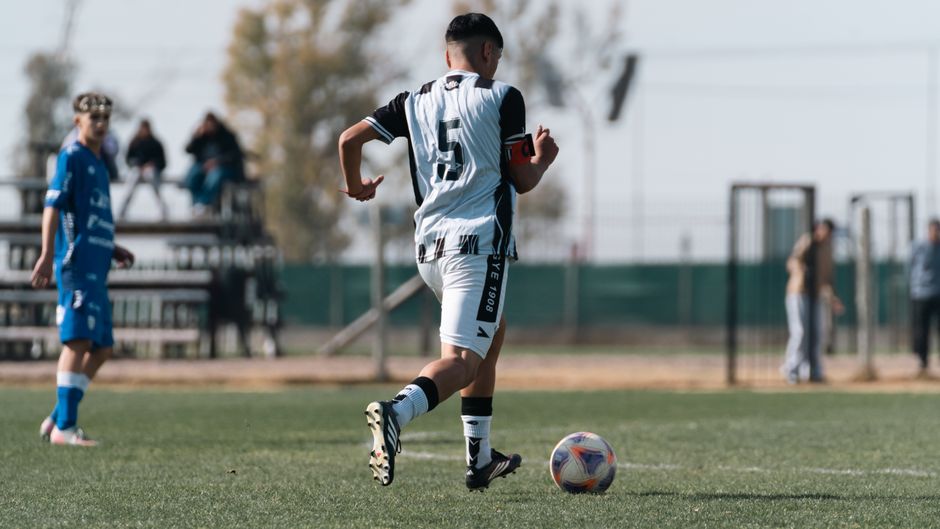
Atlético Nacional opened July with a 2-1 victory over Deportivo Cali at Estadio Atanasio Girardot on Tuesday night, extending their unbeaten home run to nine Liga BetPlay matches. That result matters, but the more striking number sits off the pitch: club officials reported more than 14,000 youth participants enrolled across their community academies for the 2026 second semester, the highest figure since the program launched in 2018.
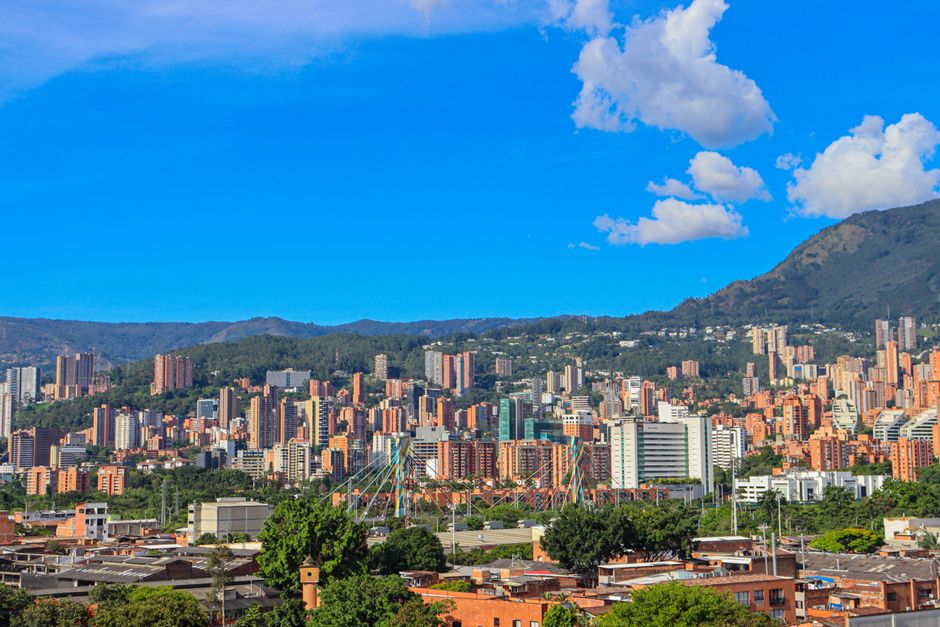
The timing is not accidental. Medellín's Alcaldía has funnelled an additional 4.2 billion pesos into barrio-level sport infrastructure this calendar year as part of its Deporte para la Vida strategy, which ties funding to school attendance and neighbourhood safety metrics. The investment is landing in areas that traditionally saw little organised sport: Comunas 1 and 2 in the northeastern hillsides, and the dense residential blocks of Aranjuez.
Grassroots Programs Fill the Gaps Between Big-Club Glamour
While Nacional dominates the back pages, it is smaller operations doing the granular work. Corporación Deportiva Independiente Robledo, based on Carrera 80 in the Robledo neighbourhood, runs five-a-side leagues for girls aged 10 to 16 every Saturday morning. Enrolment this term hit 340 girls across 28 teams, up 60 per cent from July 2025. The club charges a flat 25,000-peso monthly fee, and roughly a third of participants receive fee waivers tied to a social-stratification programme run through the city's INDER agency.
INDER, Instituto de Deportes y Recreación de Medellín, coordinates more than 200 active sport programs citywide. Its velódromo in Estadio neighbourhood hosted three junior cycling time trials in June, drawing competitors from as far as Itagüí and Bello. Cycling matters here the way basketball matters in other cities: it is aspirational, it is cheap to enter at the grassroots level, and it produces internationally competitive athletes. Colombian national team member Sergio Higuita trained with INDER-affiliated clubs before his professional breakthrough.
Deportivo Independiente Medellín, Nacional's crosstown rival, is also building outward. DIM's social foundation opened a second satellite academy on Calle 107 in the Manrique district in May, adding 180 spots for boys and girls under 14. The club's head of community development told local radio station Transmisión Deportiva this week that the Manrique site was at full capacity within three weeks of opening, with a waiting list of more than 90 families.
Concrete Numbers Behind the Feel-Good Story
The data carry weight. A 2025 Universidad de Antioquia study of 12 Medellín comunas found that neighbourhoods with active INDER-registered clubs reported 18 per cent lower adolescent dropout rates from secondary education compared with comparable areas without organised sport. That figure has become a standard reference point in city hall budget debates.
Ticket revenue at Atanasio Girardot is also climbing. Nacional's average attendance for home Liga matches in the first half of 2026 reached 38,400, 11 per cent above the same period last year, generating gate receipts that the club has publicly committed to partially redirect into its barrio academies through a reinvestment clause agreed with the city in March 2026.
For families wanting to get involved before the second semester fully kicks off, INDER registration for the July-November cycle opens online at its Laureles headquarters on Carrera 74 from July 7. Fees for most programs run between 15,000 and 40,000 pesos per month. The Robledo five-a-side league accepts walk-in sign-ups at the club's Carrera 80 cancha every Saturday before 9 a.m. DIM's Manrique academy is currently waitlisted but expects to open a third site in Belén before September, according to its published expansion calendar. In a city that has spent two decades rewriting what urban sport can look like, July 2026 feels less like a midseason pause and more like a full sprint.
This article was compiled by AI and screened before publishing. See our editorial standards.