things-to-do
Things to Do in Medellín 2026: City Guide
Explore Medellín's transformation from dangerous city to urban innovation hub. Ride the metrocable, discover El Poblado's vibrant neighborhoods, and experience one of Colombia's most dynamic destinations.
How we reported this
Medellín's reinvention from the world's most dangerous city to a celebrated model of urban innovation is one of the most remarkable stories of the 21st century, and in 2026 the city is reaping the rewards of three decades of determined transformation. The metrocable gondola lines that climb from the valley floor into hillside comunas like Santo Domingo Savio were the opening move in that transformation, connecting isolated barrios to jobs, schools, and opportunity, and today they double as a tourist attraction offering vertiginous views across a city of 2.5 million people arranged in a green valley ringed by Andean peaks. Ride the cable from Acevedo station at dusk and the city below glitters like a circuit board.
El Poblado remains the neighbourhood of choice for international visitors, its compact streets dense with boutique hotels, specialty coffee shops, and restaurants that blend Colombian ingredients with French, Japanese, and Middle Eastern techniques. But the more interesting food and cultural scene has migrated north to Laureles and Envigado, where local chefs are cooking with Choco Pacific seafood, Amazonian botanicals, and heirloom corn varieties in a way that feels authentically Colombian rather than globally generic. The Mercado del Rio food hall in El Centro consolidates dozens of the city's best vendors under one roof and operates until midnight on weekends, making it an essential stop on any Medellin itinerary.
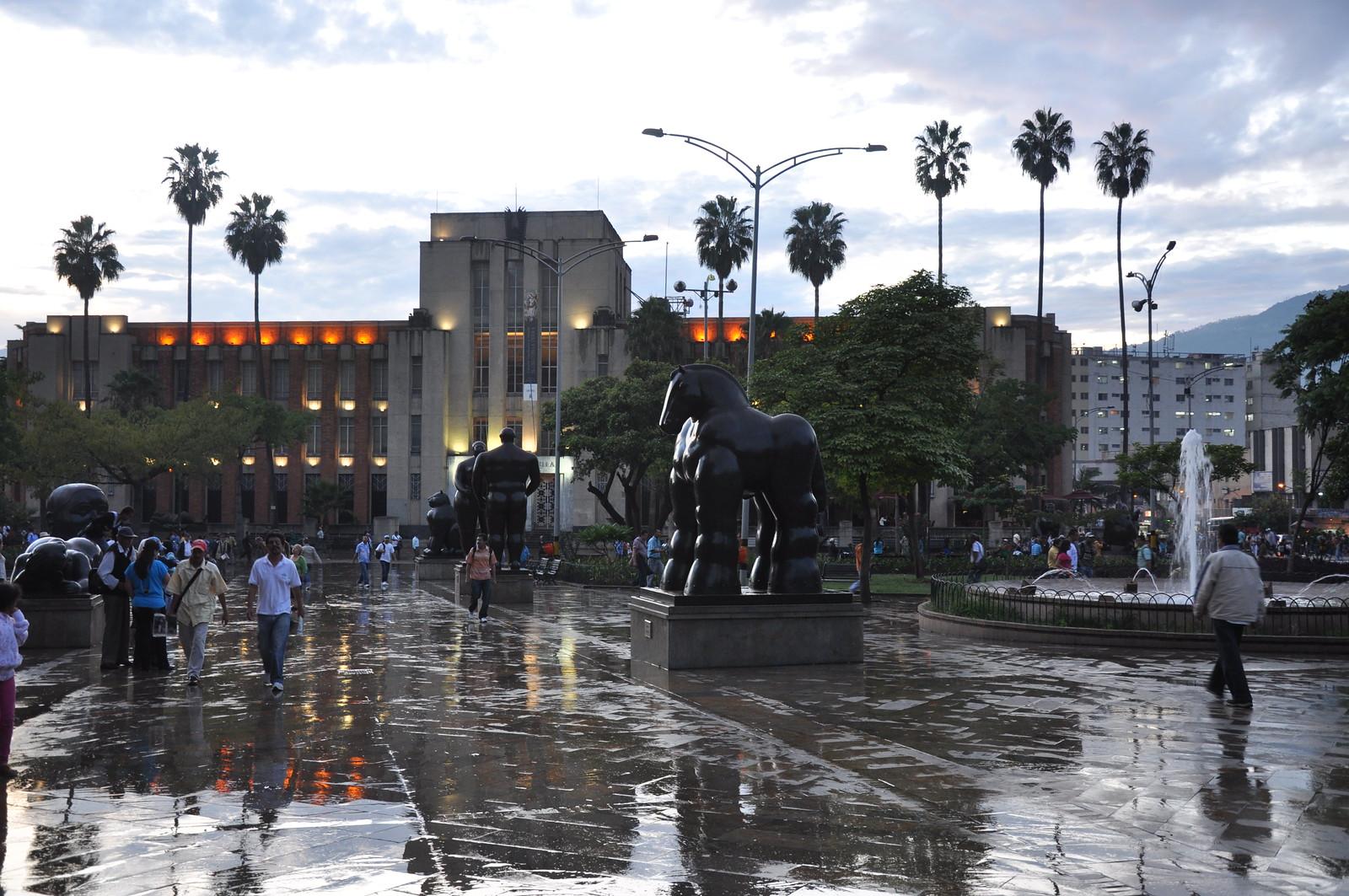
The city's investment in public art and architecture continues to set it apart from South American peers. Fernando Botero's monumental bronze sculptures populate the Plaza Botero in El Centro alongside the Museum of Antioquia's permanent collection, which includes the largest single gathering of Botero's work anywhere in the world. The Jardin Botanico, a botanical garden in the Laureles district, hosts the Orquideorama, a celebrated timber canopy structure that shelters a thousand orchid varieties and doubles as a concert venue during the city's annual flower festival each August. For hiking enthusiasts, the Arvi Park ecoregion accessible via the Metrocable Line L offers forest trails, organic markets, and birdwatching in a cloud-forest ecosystem just thirty minutes from the city centre.