wellness
Neuroscientists Map How Meditation Physically Rewires Your Brain
Neuroscientists have mapped the measurable changes that meditation produces inside the skull, and Medellín's growing wellness community is taking notice.
How we reported this
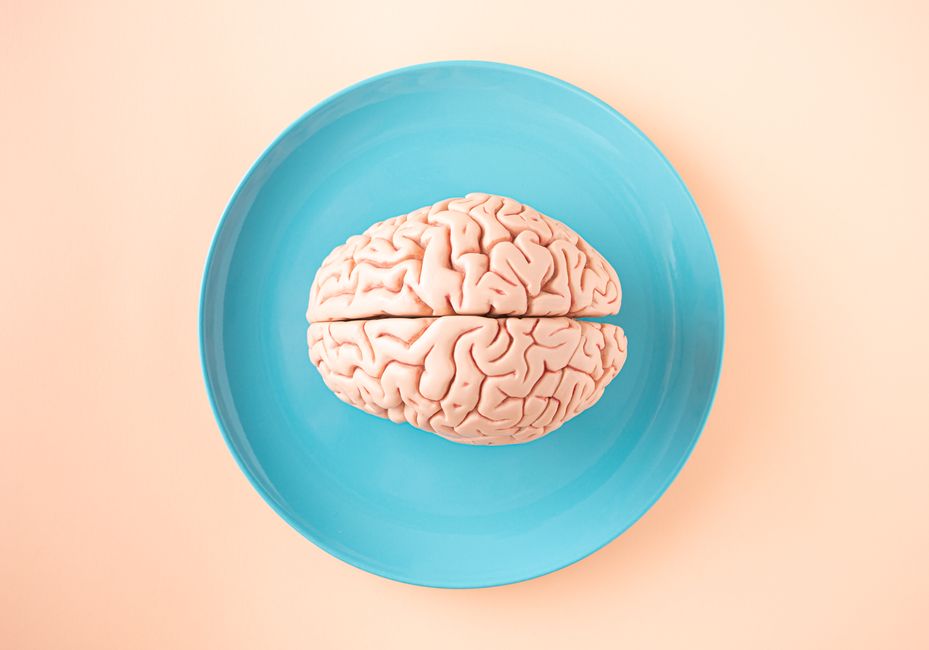
Eight weeks. That is how long it takes for a consistent mindfulness practice to produce detectable structural changes in the human brain, according to research published by Harvard Medical School in 2011 that remains one of the most-cited studies in the field. The grey matter density in the hippocampus, the region tied to learning and emotional regulation, increases. The amygdala, the brain's threat-detection centre, shrinks. These are not metaphors. They show up on MRI scans.
The findings matter right now because hormone health, mental performance, and stress management have converged into a single, urgent conversation for urban professionals. With anxiety rates among Colombian workers between 25 and 44 climbing, a 2024 Ministerio de Salud report estimated that 18 percent of adults in Medellín's metropolitan area reported clinically significant stress symptoms, the question of what actually works neurologically, rather than just anecdotally, has become pressing.
What Changes, and How Fast
The prefrontal cortex is the part of the brain that handles decision-making and impulse control. In long-term meditators, defined in most studies as people with more than 1,000 hours of practice, the cortical thickness in this region is measurably greater than in non-meditators, even accounting for age. Neuroscientists call this neuroplasticity: the brain remodelling itself in response to repeated mental activity the same way muscle tissue responds to exercise.
There is also what researchers call the default mode network, the circuitry that fires when your mind wanders and loops back to worries about the past or future. Mindfulness practice, particularly focused-attention techniques like breath observation, reduces activity in this network. Less rumination. Shorter stress-response cycles. Better sleep architecture. The effects compound across months.
For beginners, even ten to fifteen minutes of daily practice produces measurable changes in cortisol levels within four weeks, according to a 2023 meta-analysis in the journal Frontiers in Psychology covering 36 randomised controlled trials and more than 2,700 participants.
Where Medellín Is Applying This
The science has not gone unnoticed in El Poblado and Laureles, the two barrios that anchor most of the city's formal wellness infrastructure. Centro de Mindfulness Medellín, based near Parque Bello Horizonte in Laureles, runs an eight-week Mindfulness-Based Stress Reduction course, the same protocol designed by Jon Kabat-Zinn at the University of Massachusetts in 1979, for approximately 480,000 pesos per participant. Sessions meet twice weekly and include guided body-scan exercises, walking meditation, and structured journaling.
In El Poblado, the studio Namasté Medellín on Calle 8 offers drop-in mindfulness classes integrated with breathwork, with single sessions priced at around 35,000 pesos. The Parque Arví ecological reserve, a 40-minute Metrocable ride from the Acevedo station, has also become an informal backdrop for group meditation gatherings on Saturday mornings, organised through community networks on WhatsApp and requiring no fee.
Several corporaciones in the Centro Histórico neighbourhood are incorporating mindfulness training into employee wellness programmes following updated workplace mental-health guidelines issued by Colombia's Ministry of Labour in January 2026. The guidelines explicitly recommend evidence-based stress-reduction programmes for companies with more than 50 employees.
The practical entry point is simpler than most people expect. A seated posture, attention on the breath, and a non-judgmental return to that focus when the mind wanders, that is the core technique behind most of the published research. Apps like Insight Timer offer Spanish-language guided sessions at no cost, and the Biblioteca Pública Piloto on Calle 52 hosts free introductory workshops on the first Tuesday of each month.
Consistency matters more than duration. Neuroscientists consistently find that daily short sessions outperform infrequent long ones. Start with ten minutes each morning for thirty days and track sleep quality and mood using a simple notebook. If symptoms of anxiety or depression are significant, speak with a psychologist or psychiatrist at one of Medellín's EPS health centres before relying on mindfulness as a sole intervention. The brain changes, but it responds best when the whole picture is clear.