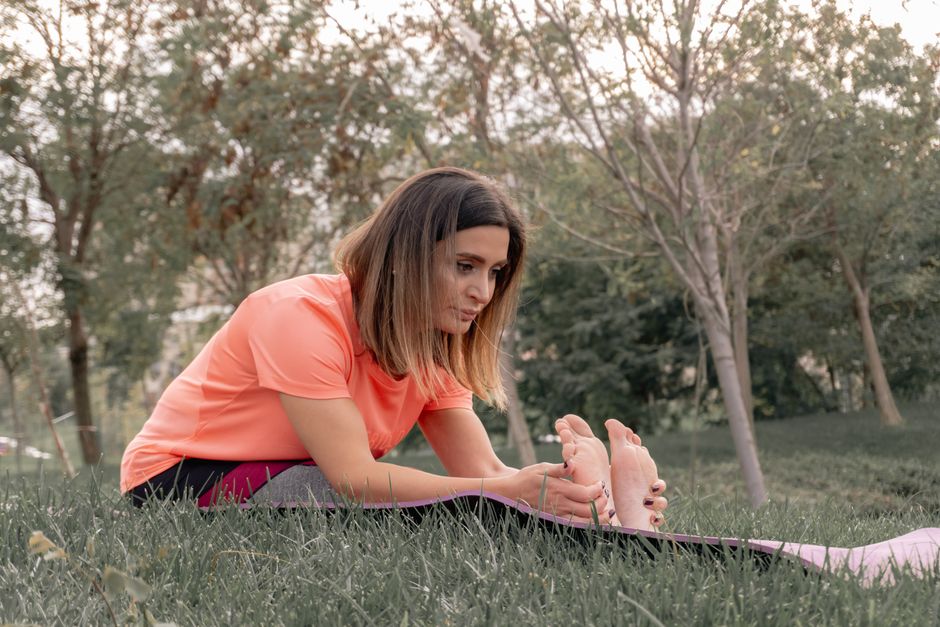
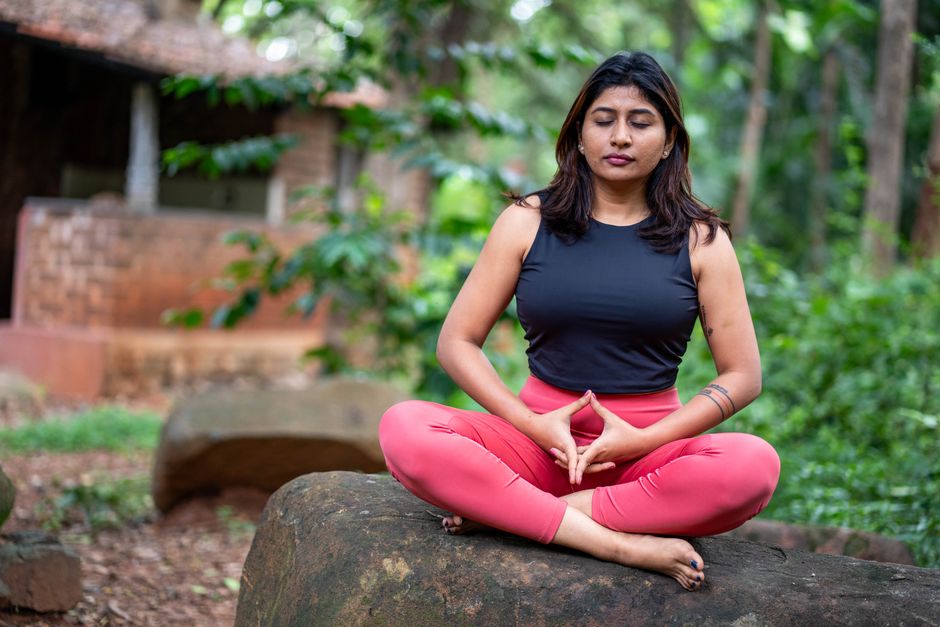
Medellín now operates more than 120 outdoor fitness stations across its 16 comunas, according to figures published by the Alcaldía de Medellín's Secretaría del Deporte in June 2026. Most are free, permanently installed, and drawing steady crowds seven days a week. That number has nearly doubled since 2019, when the city launched its Plan de Actividad Física en Espacios Públicos, a program designed to put resistance and cardio equipment within a 15-minute walk of every neighbourhood.
The timing matters. Gym memberships at chains like BodyTech and SmartFit in El Centro now run between 80,000 and 130,000 pesos per month, real money in a city where the monthly minimum wage sits at 1,423,500 pesos as of January 2026. Public outdoor gyms close that gap entirely, and the city's near-permanent spring climate, hovering around 22°C on most mornings, means there is no seasonal excuse to stay inside.
Where to Go: The Standout Spots
Parque Lineal La Presidenta, running along Calle 37 in El Poblado, is the most consistently packed outdoor circuit in the city. The park strings together parallel bars, elliptical cross-trainers, leg press machines bolted to concrete pads, and a 1.2-kilometre marked jogging path through dense guadua bamboo. On weekday mornings before 8 a.m., regulars, many of them retired adults from the surrounding apartment blocks, work through structured routines as if the park were a private club. The equipment was last upgraded in late 2024 under the city's Medellín Activa initiative.
Across the river in Laureles, Parque Metropolitano de Laureles on Circular 4 offers a longer circuit with more varied terrain. A 2.4-kilometre perimeter path loops past six equipment stations covering upper body, core, and lower body groups. The park also hosts free guided classes every Saturday at 7 a.m. through Recreo Medellín, the Alcaldía's weekend activation program that has been running continuously since 2017. Participants need nothing more than comfortable shoes.
Further north, Parque de los Pies Descalzos near the EPM headquarters in El Centro includes a sensory footpath and basic calisthenics bars, unconventional but effective. The Parque Explora corridor on Carrera 52 connects to cycling infrastructure that feeds into the Ciclovía network, active every Sunday from 7 a.m. to 1 p.m. and covering more than 30 kilometres of car-free road.
What the Data Says, and What Comes Next
A 2025 report from Universidad de Antioquia's public health faculty found that residents who used outdoor public fitness infrastructure at least three times per week reported lower self-reported stress scores and better sleep quality compared to sedentary peers in matched neighbourhoods. The study tracked 1,400 residents across five comunas over 18 months. It stopped short of attributing causality but flagged consistent physical activity access as a significant variable.
The Secretaría del Deporte has earmarked 4.2 billion pesos in its 2026 budget for new installations and maintenance, with priority given to comunas 1 through 6 in the Nororiental zone, areas including Manrique and Aranjuez, where access to private fitness facilities is more limited. Three new circuits are scheduled to open before December 2026, according to a procurement notice published on the city's Secop II contracting portal in May.
For anyone starting out, the practical entry point is simple: show up. The Saturday Recreo Medellín sessions at Parque Metropolitano de Laureles require no registration. The equipment at La Presidenta has instructional diagrams in Spanish bolted to each station. And if you want structured guidance on how to adapt any outdoor program to a specific health condition, a consultation with a sports medicine physician at one of the city's IPS facilities, many covered under Sisbén or contributive EPS plans, is the logical next step before pushing heavy loads on the parallel bars at sunrise.