This article was generated by AI from the linked public sources. The Daily Medellín is independently owned and covers Medellín news free from advertiser or sponsor influence. It is provided for general information only and is not professional, legal, financial, or medical advice. Read our editorial standards →
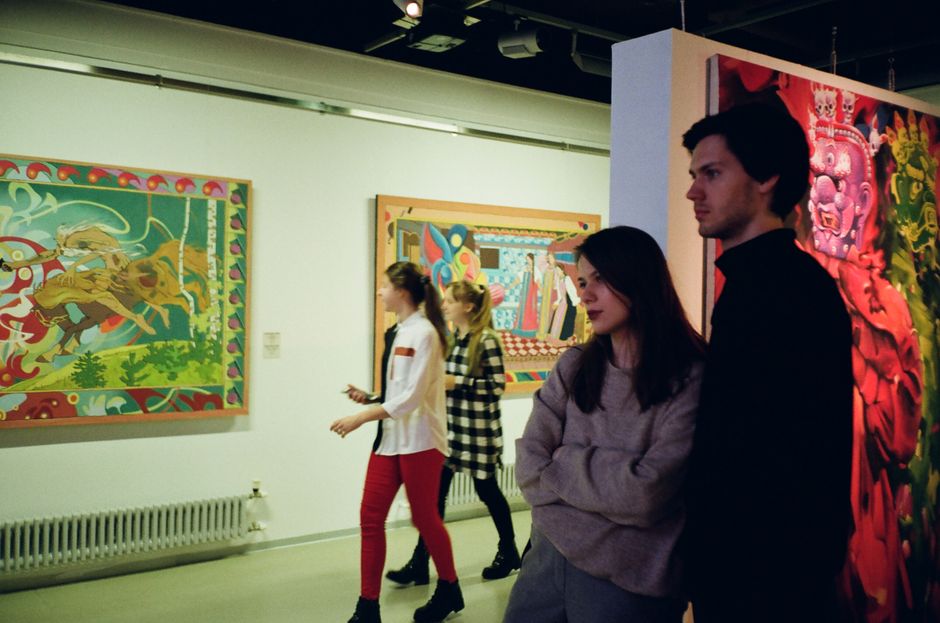
Medellín is not merely hosting an arts season this month; it is experiencing a radical redistribution of its creative capital. While the city's traditional galleries in El Poblado remain polished, the actual momentum has migrated toward the workshops and re-purposed industrial lots of Comuna 13 and Moravia, where a new generation of artists is prioritizing neighborhood identity over commercial appeal.
From Industrial Shadows to Street Art Sanctuaries
The pivot began exactly three years ago, when the municipal government slashed subsidies for traditional museum circuits, forcing independent collectives to self-fund or fold. The result is a gritty, authentic scene that feels less like a sanitized tourism trap and more like a living archive. Take, for instance, the work being done at Casa Moravia, where local painters have turned a former textile storage facility into a multi-sensory community hub. These artists aren't looking for gallery representation in Paris or New York; they are documenting the specific urban evolution of their own streets.
This shift matters because it effectively democratizes who gets to define 'culture' in Medellín. By moving events out of the gilded halls of downtown and into the vibrant, steep-climbing corridors of the north, these creators have ensured that the barrier to entry is no longer a ticket price, but an interest in the city's actual social history. The organizers behind the 'Red de Talleres Abiertos' movement now coordinate over forty independent spaces that operate on a strictly peer-to-peer economic model.
Data from the local Chamber of Commerce shows that independent arts revenue in these peripheral districts grew by 14.2 percent in the first half of 2026, despite a broader economic slowdown across the country. Admission to the weekend showcases at the Palacio de Bellas Artes remains free, but the pop-up exhibitions appearing in repurposed garages along Carrera 45 often feature 'pay-what-you-can' entry fees, typically averaging 15,000 COP per visitor to cover basic operational costs. These figures reflect a city choosing internal resilience over the fluctuating whims of international tourism markets.
Navigating the New Cultural Circuit
If you are looking to engage with the scene this July, the focus should be on the smaller, decentralized gatherings. Avoid the pre-packaged tours that circulate near Parque Lleras and instead head to the workshops at Perro y Burro in Laureles. They are currently hosting a retrospective on urban design that runs until July 28th. The exhibition features blueprints from the 1990s overlaid with modern digital graffiti, a direct reflection of how the neighborhood has resisted gentrification.
Practical advice for the week ahead: check the schedule for the 'Ciclo de Cine Independiente' being held at the Plazoleta de las Esculturas. They screen locally produced shorts every Thursday at 7:00 p.m. Arrive at least thirty minutes early, as seating is limited to 200 folding chairs, and the neighborhood turnout is consistently high. Supporting these venues isn't just about watching a film or viewing a print; it is about sustaining the infrastructure that keeps Medellín’s independent voice audible when the formal institutions remain silent.
Covering culture in Medellín. This article was generated by AI from the linked sources and was not reviewed by a human editor before publishing. See our editorial standards.