Gold at $4,187, Tech Surging, Oil Sliding: What July's Market Storm Means for Your Wallet in Medellín
A rare confluence of soaring gold prices, a weakening dollar and a bitcoin revival is reshaping the calculus for Colombian investors navigating inflation and a volatile peso.
This article was generated by AI from the linked public sources. The Daily Medellín is independently owned and covers Medellín news free from advertiser or sponsor influence. It is provided for general information only and is not professional, legal, financial, or medical advice. Read our editorial standards →
Gold hit $4,187 per troy ounce on Friday, a gain of 4.10 percent in a single session, and that one number tells you almost everything you need to know about the mood in global markets right now. Investors are paying a steep premium for the oldest safe-haven asset on the planet, even as U.S. equities posted one of their better days of the year. The S&P 500 closed at 7,483, up 1.71 percent, and the Nasdaq Composite climbed to 25,833, adding 1.87 percent. On the surface that looks like confidence. Look underneath and you see something more complicated: money is simultaneously flooding into growth stocks and hard assets, which is the market's way of hedging against a future it cannot quite price.
For residents of Medellín whose savings sit in pension funds with offshore exposure, or who hold global equity positions through local brokerage accounts, this dual rally matters. Colombian pension administrators, the AFPs, have steadily increased their permitted international allocation over the past three years, meaning a significant share of the retirement savings of antioqueños is now effectively tracking Wall Street. A day where the S&P 500 adds 1.71 percent is, in rough terms, a good day for those portfolios. The complication is currency. The euro strengthened to 1.1440 against the U.S. dollar, up 0.47 percent, which reflects broader dollar softness. When the dollar weakens, the Colombian peso tends to find some relief against it, but that same dynamic compresses the local-currency value of dollar-denominated gains when repatriated. Medellín investors need to track that translation effect, not just the headline index number.
The Oil Drop and What It Costs You at the Pump (Eventually)
West Texas Intermediate crude fell to $68.78 per barrel, a decline of 2.78 percent, and this is where the global picture connects most directly to household budgets in Antioquia. Colombia is an oil-producing nation, and Ecopetrol, the state-controlled company listed on the Bolsa de Valores de Colombia, is acutely sensitive to WTI price moves. A sustained drop toward the high sixties puts pressure on Ecopetrol's revenue projections and, by extension, on the national dividend that funds a portion of the government's fiscal transfers. Locally, gasoline prices in Colombia are regulated rather than freely floating, so the pass-through to the pump is not immediate. But sustained low oil prices erode the fiscal headroom that allows the government to hold regulated fuel prices below market cost. Medellín consumers who assume today's pump price is insulated from WTI moves are right in the short term and wrong in the medium term.
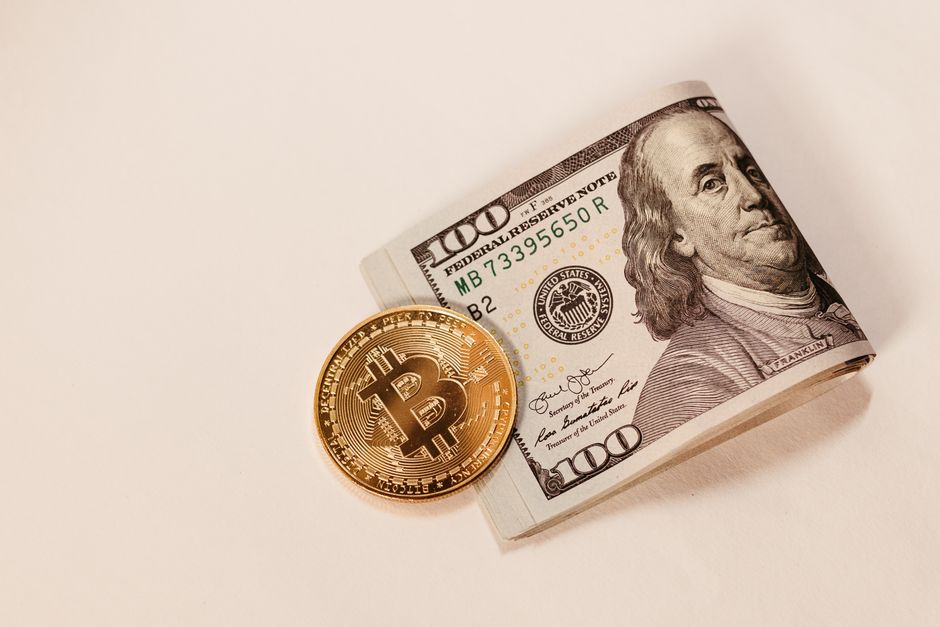
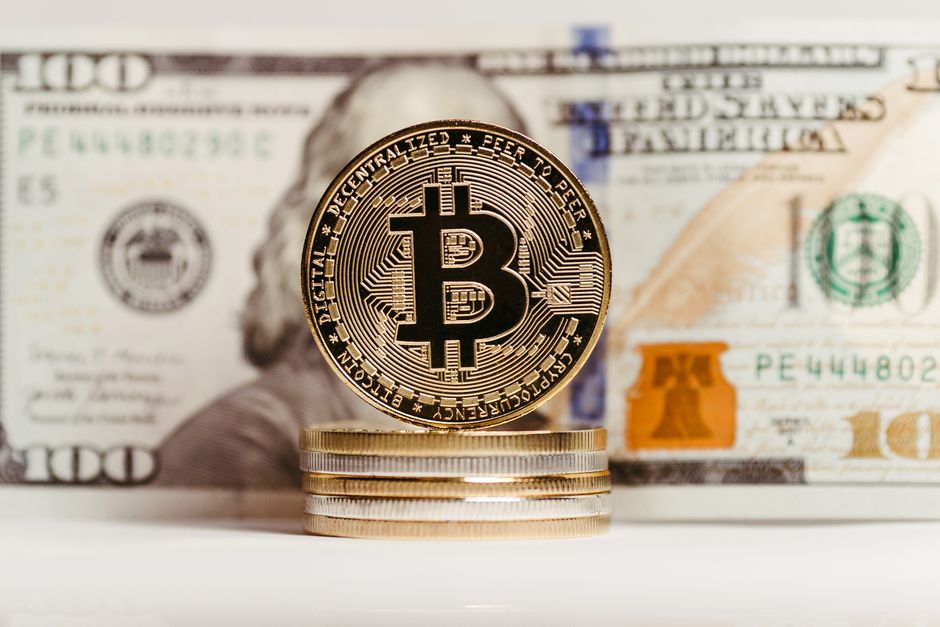
The bitcoin surge, from around $58,000 to $62,456, a move of 6.66 percent, deserves a measured read rather than excitement. Crypto adoption in Colombia has grown substantially since 2022, particularly among younger professionals in Medellín's Laureles and El Poblado neighborhoods who use stablecoin rails for remittances and speculative positions. A single-day move of this magnitude is not unusual for bitcoin, and the asset remains roughly 11 percent below its 2025 peak. What is notable is that bitcoin is rising on the same day as gold and equities, suggesting the rally is being driven by dollar weakness and liquidity rather than by specific crypto-sector news. That is a different, and arguably less durable, type of tailwind than adoption-driven demand.
The practical cost-of-living picture in Medellín remains anchored to domestic dynamics that global rallies cannot fix. The Banco de la República has held its benchmark rate at a level that keeps credit expensive for households, and the urban consumer price index has remained sticky in services categories including rent, utilities and healthcare. The metro system fare increase that took effect in the first quarter continues to add roughly 8,000 pesos per month to commuting costs for regular users. None of that is offset by a good day for the Nasdaq.
The sensible takeaway for Medellín savers and investors is this: use strong global equity days to review allocation, not to chase. If your AFP voluntary contributions or private brokerage account is now overweight U.S. tech after this rally, a modest rebalancing toward commodities exposure, including gold-linked instruments available through the BVC, offers a hedge against the very dollar softness driving today's gains. Gold's move to $4,187 is not a ceiling; it reflects structural demand from central banks in Asia and the Middle East that has been building for three years. That is a trend, not a spike. Oil below $70 and a softer dollar together create a specific pressure on Colombian fiscal accounts that will eventually find its way into public spending decisions. Watch the national budget debate in Bogotá this August more carefully than you watch the Nasdaq close.
Covering finance in Medellín. This article was generated by AI from the linked sources and was not reviewed by a human editor before publishing. See our editorial standards.