Gold hit $4,187 a troy ounce on Friday, up 4.10 percent in a single session, and the number is not merely a headline. For Medellín investors, whether holding equity in Grupo de Inversiones Suramericana, tracking the COLCAP index, or simply keeping savings in peso-denominated fixed income, the signal embedded in that price is uncomfortable: global capital is hunting for safety in 2026 at a pace not seen in years. Equities followed their own logic, with the S&P 500 climbing to 7,483 and the Nasdaq Composite reaching 25,833, gains of 1.71 and 1.87 percent respectively on the session. The divergence between surging gold and surging tech tells its own story about a market that is simultaneously greedy and afraid.
The harder number for Colombia is oil. West Texas Intermediate fell 2.78 percent to $68.78 a barrel, and for a country where hydrocarbons remain central to fiscal revenues and the current account, that decline compounds pressures that have been building since the first quarter. Ecopetrol, Colombia's dominant energy company and one of the most widely held names in local pension and retail portfolios, faces a revenue environment that grows more difficult with every dollar WTI loses. The company had already been navigating elevated operating costs and transition-related capital expenditure commitments; a sustained slide toward the mid-$60s would force analysts to revisit earnings forecasts and dividend projections that were calibrated on stronger crude prices.
Currency and Credit: The Peso's Precarious Position
The euro strengthened to $1.1440 against the dollar on Friday, a gain of 0.47 percent, reflecting continued confidence in European economic resilience and a softening dollar index. The Colombian peso has its own dynamics, shaped by domestic fiscal policy, Banco de la República rate decisions and commodity export revenues, but the broad dollar softness carries implications. A weaker dollar historically provides some relief for emerging-market currencies, yet that benefit is being partially offset in Colombia by the oil price slide, which strips away the commodity support the peso typically receives. The net effect for Medellín-based businesses with dollar-denominated import costs or foreign debt is an environment where currency risk remains elevated and hedging costs are not trivial.
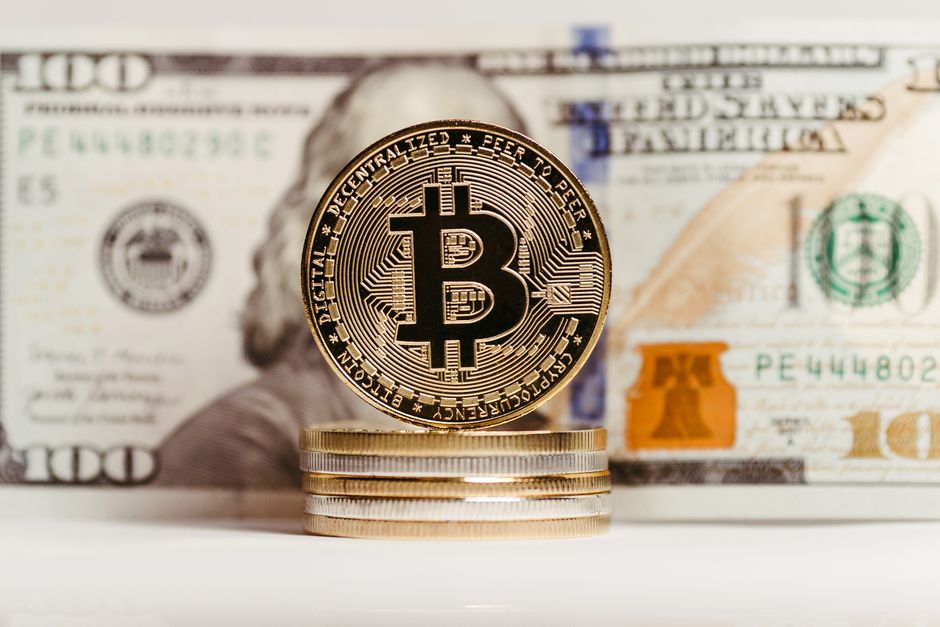
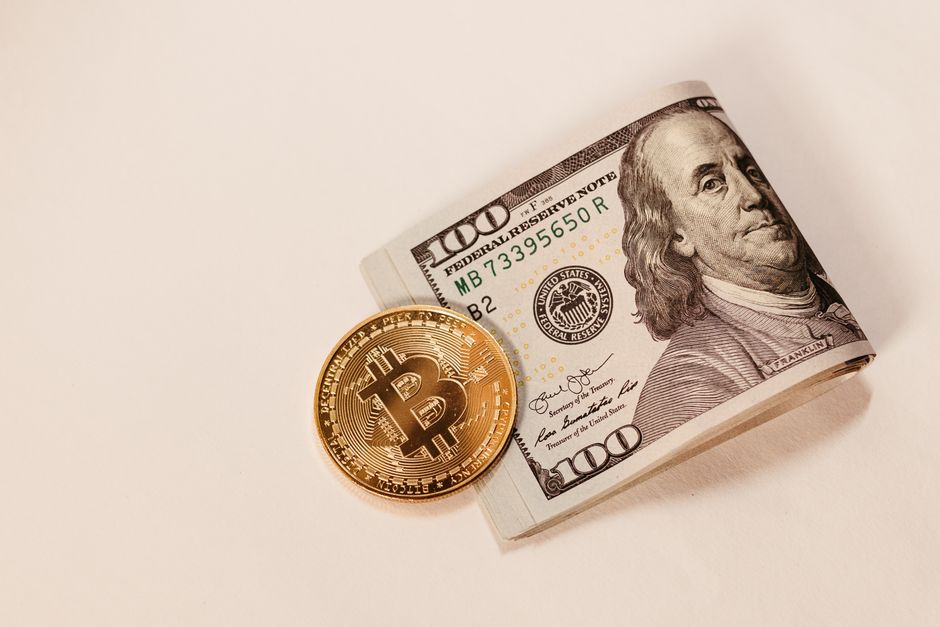
Bitcoin's 6.66 percent jump to $62,456 attracted attention across trading desks, including among the growing segment of Medellín's younger investor class that holds crypto exposure through local exchanges and neobank platforms. The rally looks less like a return of conviction and more like a liquidity-driven risk-on trade, the kind that tends to reverse sharply when sentiment shifts. For investors who entered Bitcoin positions at higher levels during 2025's peak enthusiasm, the current price still represents a meaningful gap. Financial advisers in the city have spent much of 2026 managing client expectations around digital-asset positions that were sized too aggressively when rates looked set to fall faster than they did.
The broader headwind for Medellín's financial sector this year is structural rather than merely cyclical. Colombia's domestic credit growth has slowed, as Banco de la República's prolonged restrictive stance works its way through the system. Construction and real estate, historically a cornerstone of Medellín's economy and a sector where local banks including Bancolombia carry significant loan-book exposure, has seen project starts decline from the pace recorded in 2023 and 2024. Higher financing costs have pushed developers to delay launches, and buyers are finding affordability stretched in neighbourhoods like El Poblado and Laureles where prices ran well ahead of incomes during the pandemic-era boom.
The technology and innovation corridor that Medellín has cultivated through initiatives anchored around Ruta N and the city's broader smart-city positioning has not been immune either. Venture funding into Colombian startups contracted in the first half of 2026, mirroring a global tightening of early-stage capital as limited partners grew more selective. Several fintech firms headquartered in the city that had anticipated closing Series B rounds by mid-year are now extending their runways and renegotiating terms. For a city that staked part of its economic identity on becoming a Latin American innovation hub, that represents a setback to ambitions that had real momentum as recently as 2024.
The picture for the second half of 2026 is not uniformly negative. Gold's strength, if sustained, benefits Colombia's junior mining sector. The peso's relative position against the euro creates some export opportunities for flower and coffee producers targeting European markets, two industries with deep roots in the Antioquia region. And the US equity rally, if it holds, supports the mark-to-market valuations of the international equity allocations that Medellín's pension funds and family offices have steadily built over the past decade. But the confluence of lower oil, sticky domestic borrowing costs, cautious foreign investors and a crypto market still well below its historical highs means the path forward for local portfolios demands discipline, diversification and a tolerance for uncertainty that is being tested more than at any point in the past three years.