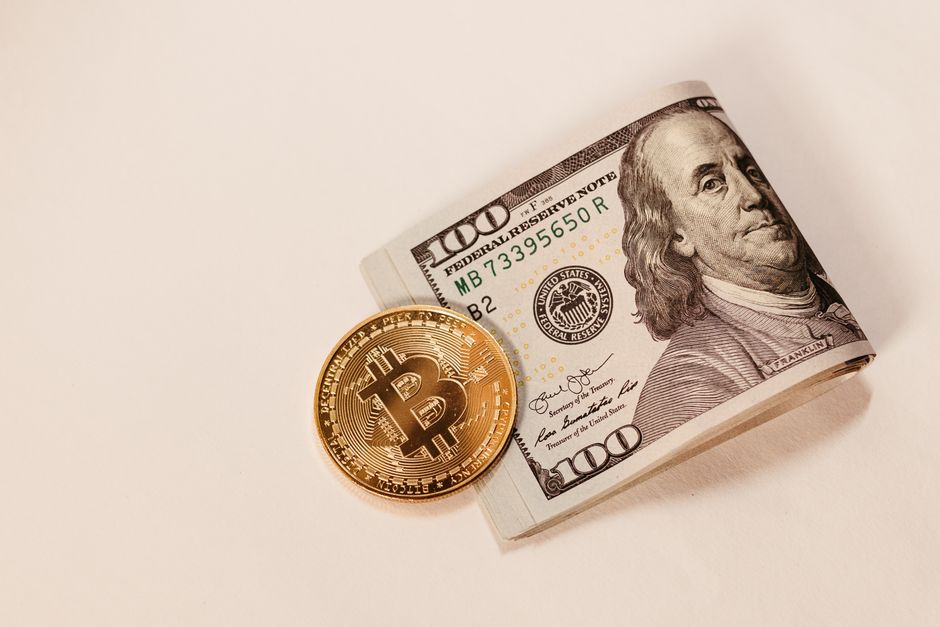
Gold hit $4,187 per troy ounce on Friday, a single-day gain of 4.10 percent that pushed the metal to levels few strategists had pencilled in for 2026. At the same time, Bitcoin climbed 6.66 percent to $62,456, the S&P 500 added 1.71 percent to close at 7,483, and the Nasdaq Composite rose 1.87 percent to 25,833. For a household in Medellín managing savings in pesos, a pension through Colpensiones or a private AFP, or simply watching the cost of imported goods, these numbers are not abstract Wall Street trivia. They translate, with a short delay, into the price of electronics at Éxito, the rate offered on a CDT at Bancolombia, and the real value of remittances arriving from relatives in the United States.
The euro gained 0.47 percent against the dollar, reaching 1.1440, while West Texas Intermediate crude fell 2.78 percent to $68.78 per barrel. That crude decline is the number most likely to produce tangible near-term relief for Colombian consumers. Colombia's domestic fuel prices are linked to international benchmarks through a subsidy and price-band mechanism administered by the Ministerio de Hacienda; a sustained drop in WTI reduces the government's fuel-subsidy burden and, in theory, eases pressure on Ecopetrol's downstream margins. Whether that translates into lower prices at the pump in Laureles or Envigado depends on how long the weakness holds and how quickly the government adjusts the internal price formula, but the direction is the right one for commuters and freight operators alike.
The Gold Signal and What It Means for Pension Savers
Gold's surge to $4,187 is not happening in isolation. It typically accelerates when bond markets are pricing in uncertainty about fiscal trajectories in major economies, or when real interest rates are declining. For Medellín residents with mandatory pension contributions sitting inside one of the four private AFP funds, the allocation to international assets, including gold-linked instruments and global equity ETFs, means today's moves are already flowing into fund valuations. Workers younger than 45 with a higher-risk profile in funds like Porvenir's Fondo de Mayor Riesgo will likely see a positive mark-to-market this week. Those approaching retirement in a conservative fund will see more muted gains but also more cushioning if equities pull back.
Bitcoin's 6.66 percent jump is harder to categorise as either safe haven or risk asset, and that ambiguity matters. In Medellín, cryptocurrency adoption has grown steadily since at least 2021, with exchange offices near the Centro and peer-to-peer platforms reporting consistent local trading volume. A move of this magnitude in a single session tends to draw in retail participants chasing momentum, precisely the dynamic that precedes sharp reversals. Anyone considering converting pesos to Bitcoin today should weigh that the Colombian peso's own volatility adds a second layer of currency risk on top of Bitcoin's already considerable price swings.
The dollar's broader softness, reflected in the EUR/USD rate of 1.1440, has a direct read-through for the Colombian peso. The peso tends to firm when the dollar weakens globally, which reduces the cost of servicing dollar-denominated debt and makes imports marginally cheaper. For Medellín's manufacturing sector, concentrated in the Área Metropolitana's industrial parks in Guayabal and Itagüí, a stronger peso compresses export competitiveness but lowers the cost of imported raw materials and machinery. The net effect varies by company, but CFOs at mid-sized exporters in textiles and food processing will be running the numbers this weekend.
Ecopetrol, Colombia's largest listed company and a fixture in most local equity portfolios and pension funds, faces a mixed picture. Falling WTI prices compress upstream revenue, and Ecopetrol's share price on the Bolsa de Valores de Colombia tends to track crude directionally. Investors holding BVC-listed shares directly should note that the oil drop is the sharpest single-day move in this snapshot and could weigh on the stock when Bogotá markets open Monday. The offsetting factor is that a weaker dollar environment often supports emerging-market equities broadly, which can provide partial insulation.
For the average family in Medellín, the practical takeaway from today's session is threefold. First, imported goods, particularly technology and appliances priced in dollars, may see modest downward pressure if dollar weakness persists through the third quarter. Second, fuel costs could ease if WTI holds below $70 per barrel and the government passes the savings through. Third, anyone holding savings in a CDT or a pension fund should check their fund's international equity allocation before assuming last year's defensive positioning still applies. Global markets moved fast this week, and portfolios set up for one environment can find themselves misaligned in another before the next quarterly statement arrives.