This article was generated by AI from the linked public sources. The Daily Medellín is independently owned and covers Medellín news free from advertiser or sponsor influence. It is provided for general information only and is not professional, legal, financial, or medical advice. Read our editorial standards →
The S&P 500 closed at 7,483 on Friday, up 1.71%, while the Nasdaq Composite added 1.87% to reach 25,833. Those are not abstract numbers for investors in Medellín. They are the effective benchmark for anyone holding a local pension fund, a dollar-denominated brokerage account, or a Colombian investment vehicle with allocations to international equities. The rally extended across most of the session, with technology stocks leading the advance and cyclicals following close behind. For the Colombian peso, the day's moves arrived through at least three separate channels simultaneously, and they pointed in different directions.
Gold's move was the headline that deserved more attention. The metal settled at $4,187 per troy ounce, a gain of 4.10% in a single session. That is not a typical inflation hedge tick. A move of that size on a day when equities are also surging suggests institutional money is running two strategies at once: buying risk assets and buying insurance against something they have not fully priced yet. Analysts in Bogotá and Medellín's financial district around El Centro Financiero Coltejer have noted for months that their wealthier clients have been quietly increasing precious metals exposure through products linked to London Bullion Market Association benchmarks. Friday's close validated that positioning in dramatic fashion.
Oil's Drop Complicates the Picture for Ecopetrol Holders
West Texas Intermediate crude fell 2.78% to $68.78 a barrel, and that is a number Medellín investors cannot ignore. Ecopetrol, the state-controlled oil company listed on the Bolsa de Valores de Colombia, derives the bulk of its revenue from crude sales priced against international benchmarks. A sustained move below $70 per barrel compresses the company's free cash flow and, by extension, puts pressure on the dividend yield that many local retail investors hold the stock specifically to collect. The drop came despite the broader equity rally, which tells you the crude market is reading a different macro story than Wall Street equity desks: slower global demand, or rising supply expectations, or both.
The currency arithmetic matters just as much. The euro gained 0.47% against the dollar to reach 1.1440, part of a broader pattern of dollar softness that has been building since late in the first quarter of 2026. A weaker dollar generally supports the Colombian peso, since commodities priced in dollars become more expensive in greenback terms, supporting export revenues. But the oil price decline cuts against that tailwind directly. Colombian peso dynamics on Friday were therefore the product of two offsetting forces, and local analysts tracking the USD/COP rate described the session as choppy and indecisive on the interbank market.
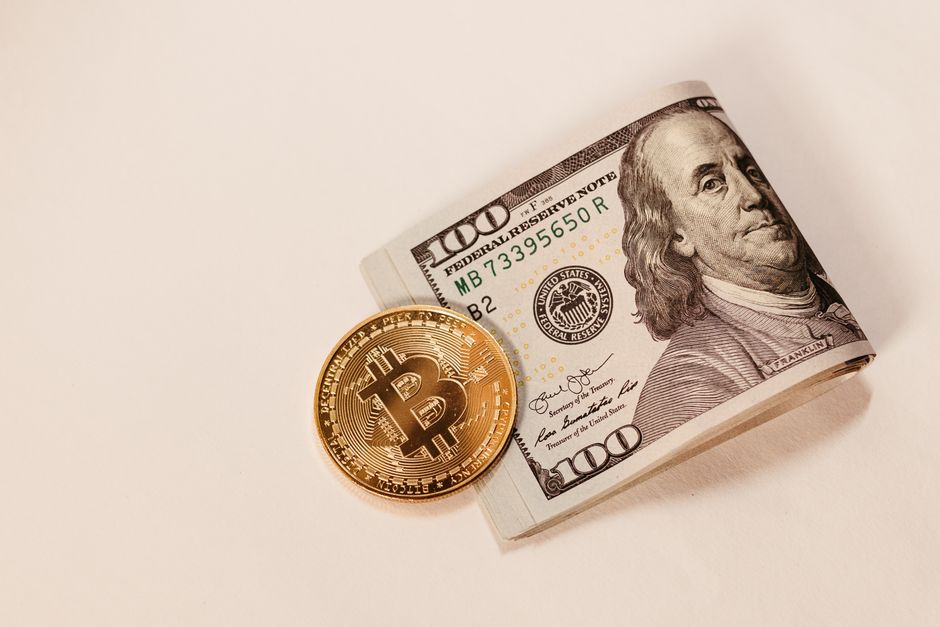
Bitcoin's 6.66% jump to $62,456 deserves a specific mention for Medellín readers. The city has one of the higher rates of cryptocurrency ownership in Latin America, partly because of the fintech ecosystem that has developed around Ruta N, the technology and innovation district in the Aranjuez neighbourhood. For holders of bitcoin and ether through local exchanges such as Buda.com or through international platforms, Friday's move recovered a significant portion of the losses sustained during the consolidation phase of the past several weeks. Whether that momentum holds through the weekend, when liquidity is thinner, is the operative question for retail holders considering whether to take profits.
The broader read for diversified portfolios based in Medellín is this: a day when equities, gold and crypto all rise sharply while oil falls is a day of multiple competing narratives. It is not a clean risk-on session. Institutional managers at firms operating out of the El Poblado financial corridor have been advising clients since the second quarter to hold a higher-than-usual cash weighting in pesos precisely because sessions like Friday can reverse quickly when the competing signals resolve. The EUR/USD level at 1.1440 also matters for any Medellín family with children studying in Europe or with euro-denominated liabilities; the dollar's relative weakness makes those obligations slightly cheaper to service right now.
The practical takeaway for Colombian investors is granular. Equity exposure through global index funds captured Friday's gains in full. Direct Ecopetrol positions took a hit from the oil slide that no amount of Wall Street optimism offset. Gold-linked instruments had their best single day in recent memory. And anyone sitting on cash in pesos faced the familiar question of whether to convert at current rates or wait for the dollar to weaken further. That question has no clean answer yet, but Friday at least gave every type of investor something to work with.
Covering finance in Medellín. This article was generated by AI from the linked sources and was not reviewed by a human editor before publishing. See our editorial standards.