Gold hit $4,187 per troy ounce on Friday, a gain of 4.1 percent in a single session, and that number matters even if you have never bought a gram of the metal in your life. For Medellín households, the surge is a signal about the broader monetary environment: global investors are paying a historic premium for hard assets, which tells you something important about where they think paper currencies and interest rates are headed. The Colombian peso, already sensitive to dollar flows and commodity sentiment, deserves close attention from anyone budgeting in COP right now.
The S&P 500 reached 7,483 today, up 1.71 percent, while the Nasdaq Composite climbed to 25,833, a gain of 1.87 percent. For Medellín residents with exposure to international equity funds through Colpensiones voluntary savings accounts, pension vehicles offered by firms such as Protección or Porvenir, or direct brokerage holdings, this is a good day on paper. The discipline is not letting a strong session erase the memory of the months that produced today's volatility. Rebalancing toward a mix that includes domestic fixed income from entities such as Bancolombia or Davivienda, not just offshore equity, remains the conservative advice in this environment.
What the Currency and Commodity Moves Mean for Your Budget
The euro strengthened to $1.1440 against the dollar today, up 0.47 percent. That matters for Medellín consumers who import European goods, from appliances to pharmaceuticals, because dollar strength or weakness feeds directly into COP-denominated prices with a lag of roughly one to three months. WTI crude oil fell to $68.78 per barrel, a decline of 2.78 percent. Cheaper oil, if sustained, eases fuel costs and can modestly reduce the transport component of the consumer price index, which the DANE tracks monthly. Residents who commute by private vehicle or run a small delivery business should watch whether pump prices at Terpel or ExxonMobil stations in the Aburrá Valley reflect this drop over the coming weeks.
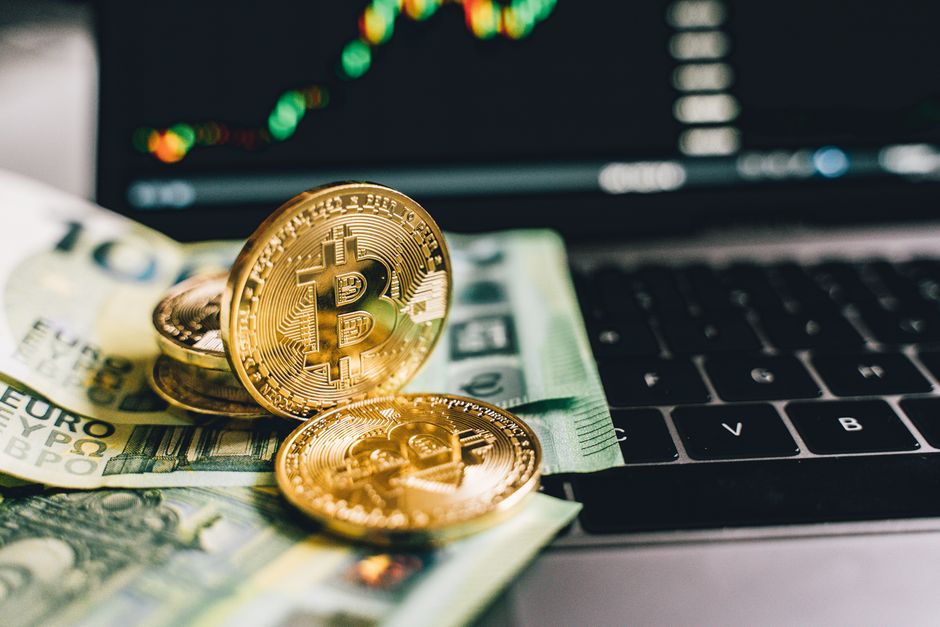
Bitcoin jumped 6.66 percent to $62,456. Medellín has a visible crypto community, and the city's fintech ecosystem, anchored partly around El Centro's informal exchange networks and platforms such as Buda.com, means some households hold meaningful crypto exposure. At these price levels, the risk-management principle is straightforward: crypto should represent a speculative allocation, not a savings buffer. If a medical emergency or a rent shortfall would force you to liquidate Bitcoin at an unfavorable moment, your position is too large. Keep three to six months of essential expenses in a liquid, peso-denominated account before committing discretionary income to volatile assets.
For mortgage holders, the key variable is Banco de la República's benchmark rate, which has been moving in response to domestic inflation and external pressures that include exactly the kind of dollar and commodity volatility visible today. Borrowers on variable-rate créditos hipotecarios should review their amortization tables now. A one-percentage-point shift in the reference rate on a 200-million-peso mortgage over 15 years can add or remove roughly 150,000 to 200,000 pesos from the monthly payment, depending on the original terms. If your bank has sent a revised cuota notice in the last quarter, take it seriously rather than filing it away.
Savings rates at Colombian commercial banks have edged higher over the past year, meaning CDTs (certificados de depósito a término) issued by institutions such as Banco de Bogotá or Bancolombia are offering returns that, for the first time in several years, can partially offset inflation for a cautious saver. A 90-day CDT at a competitive rate is not glamorous, but it provides certainty that a Bitcoin holding does not. Medellín households carrying credit card debt, particularly on Mastercard or Visa products issued by local banks at rates that commonly exceed 30 percent annually, should prioritize paying that down before seeking any investment return elsewhere. No equity rally, however strong, outpaces 30-percent-per-annum debt over time.
The broader message from today's session is one of bifurcation. Equities are climbing, gold is surging, Bitcoin is rallying, and yet oil is falling and currency markets are shifting. These moves do not all point in the same direction, which is precisely why a diversified household budget, one with stable income, manageable debt, a liquid emergency reserve and modest exposure to growth assets, is more durable than any single bet. Medellín's cost of living, particularly in Laureles, El Poblado and expanding areas such as Sabaneta, has risen materially over the past three years. Disciplined monthly budgeting, using tools as simple as a shared Google Sheet tracking ingresos and egresos against the Unidad de Valor Real, remains the most reliable personal finance strategy available to ordinary residents, whatever global markets do next.